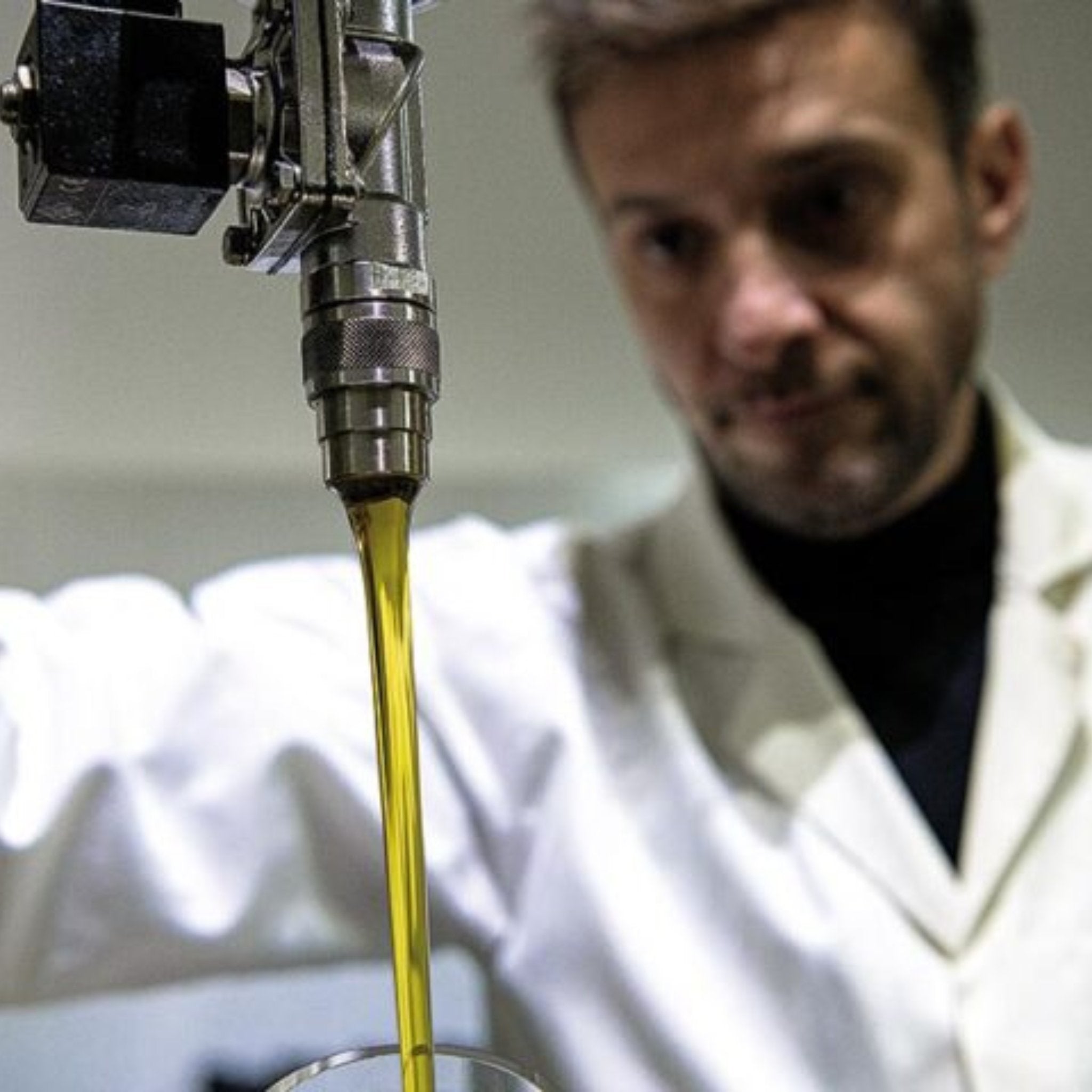


Phenols are found in fruits, vegetables, whole grains, nuts, seeds and legumes, beverages (coffee, tea, and wine), fats (olive oil) as well as in spices. However, there are phenolic compounds unique to olive oil that only occur during the crushing & malaxing process. There are 36 known phenolic compounds in olive oil. The two most widely researched for their health-protective benefits are Oleocanthal and Oleacein which are known for their anti-inflammatory and antioxidant properties.
The presence of Oleocanthal is indicated by the peppery effect on the back of the throat sometimes causing a cough reflex. Oleacein is known for the bitterness on the tongue.
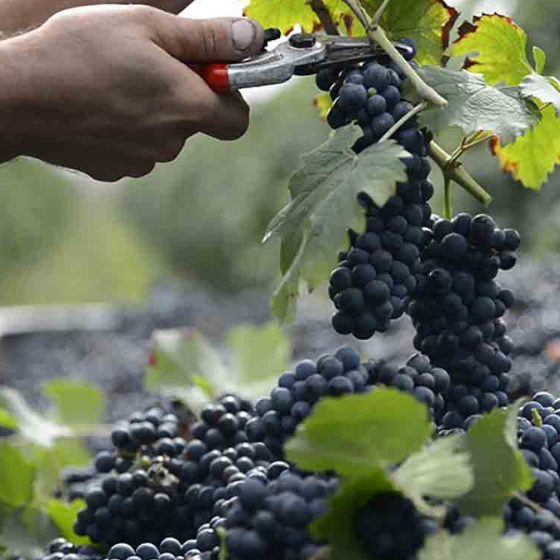
Phenolic content varies according to soil condition and weather patterns, olive variety, time of harvest (fruit ripening stage - the greener the olives the higher the phenolic content), milling procedures, etc. For example, bio-diversity within the olive grove adds to the richness of the soil and the nutrition available to the olive fruit.
High Phenolic Olive Oils are the Oils with high percentage of phenolic compounds and are directly related to the health benefits of olive oil. According to the EU Health Claim Labeling Regulation (432/2012), the claim may be used only for olive oil which contains at least 5mg of hydroxytyrosol and its derivatives (e.g. oleuropein complex and tyrosol) per 20g of olive oil. The beneficial effect for the consumers is obtained with a daily intake of 20g of olive oil. Since the concentration of phenolic compounds is so much higher than this regulation requires for a health-related claim, according to the analysis of PAMAKO olive oil, a daily consumption of only 7 grams of PAMAKO protects blood lipids from oxidative stress.
Care about yourself by purchasing organic high phenolic olive oil: consume it daily; preferably in the morning when you get up or raw on your foods and salads.
It is recommended to use it quickly, before the Best Before date. Light, heat, air (oxygen), and time are the enemies of any olive oil. Storing olive oil in a cool & dark place will prolong its qualities of extra virginity and high phenolic content.
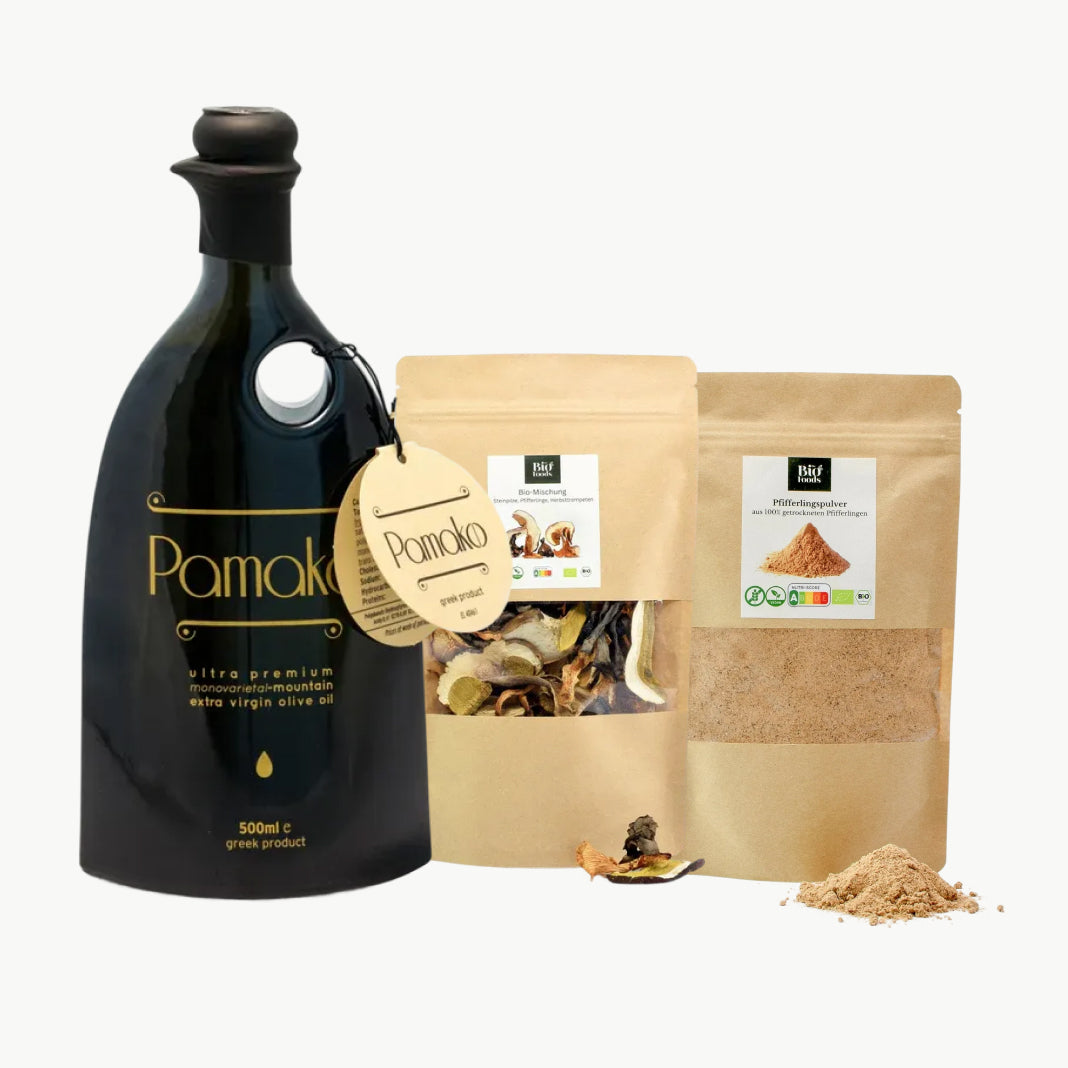
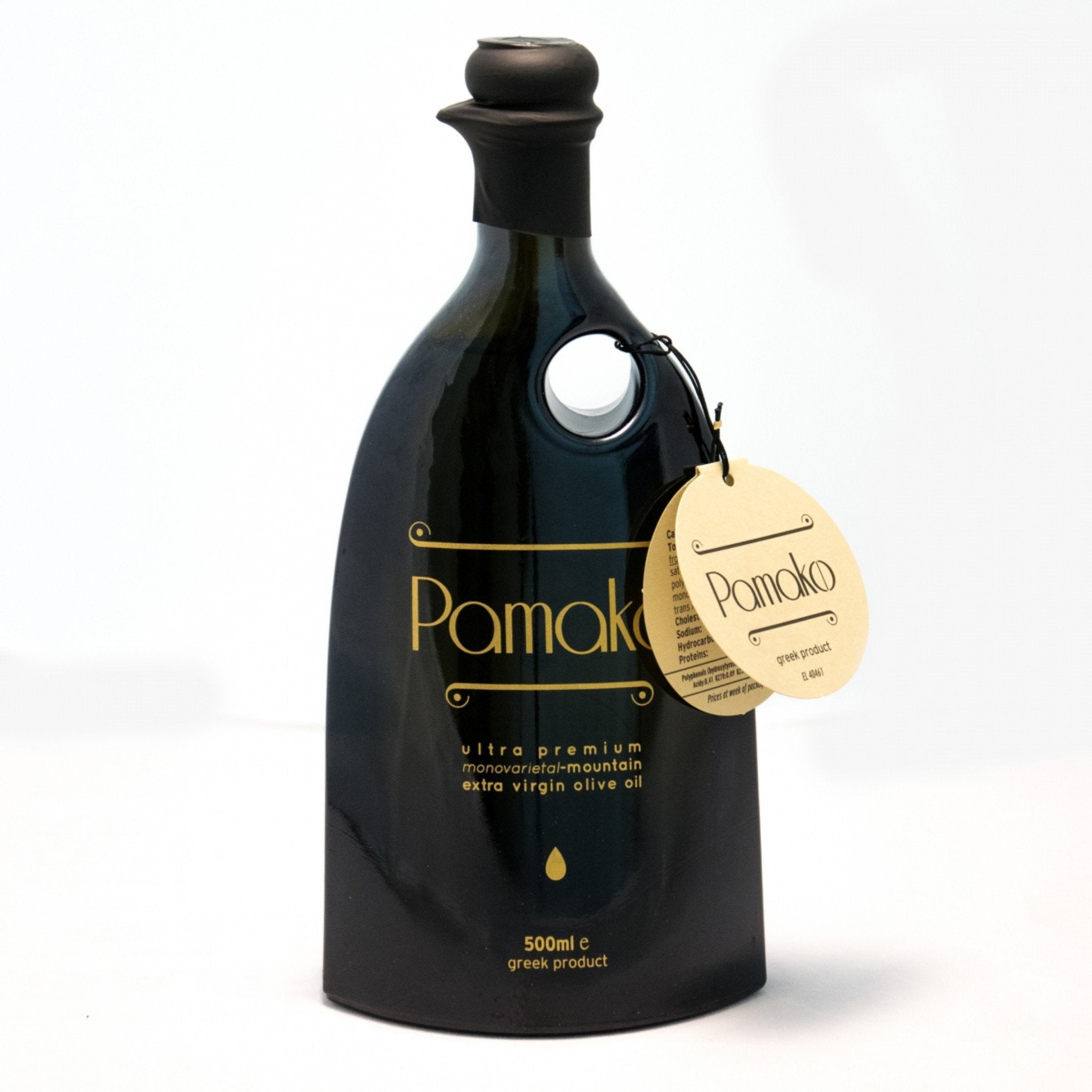
Our Pamako Organic Olive Oil is well protected in dark-Murano glass bottle with no plastic touch.
Keep in mind that high phenolic EVOO’s cost more than the majority of olive oils found in the market due to special cultivation, harvest, and milling processes that raise the labour cost, and above all its benefits.

PAMAKO MONOVARIETAL 100% Tsounati
PAMAKO BLEND 60% Tsounati & 40% Koroneiki

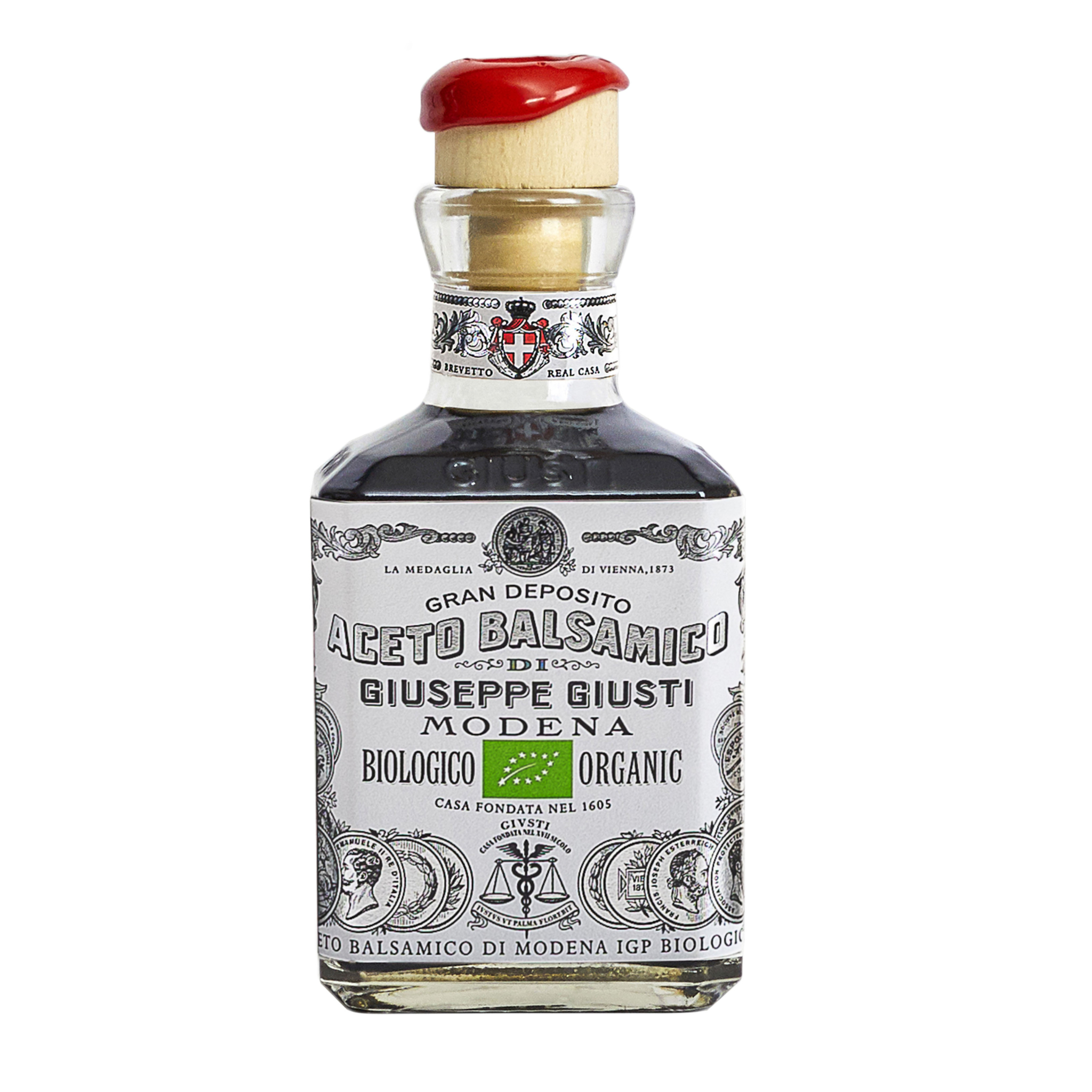
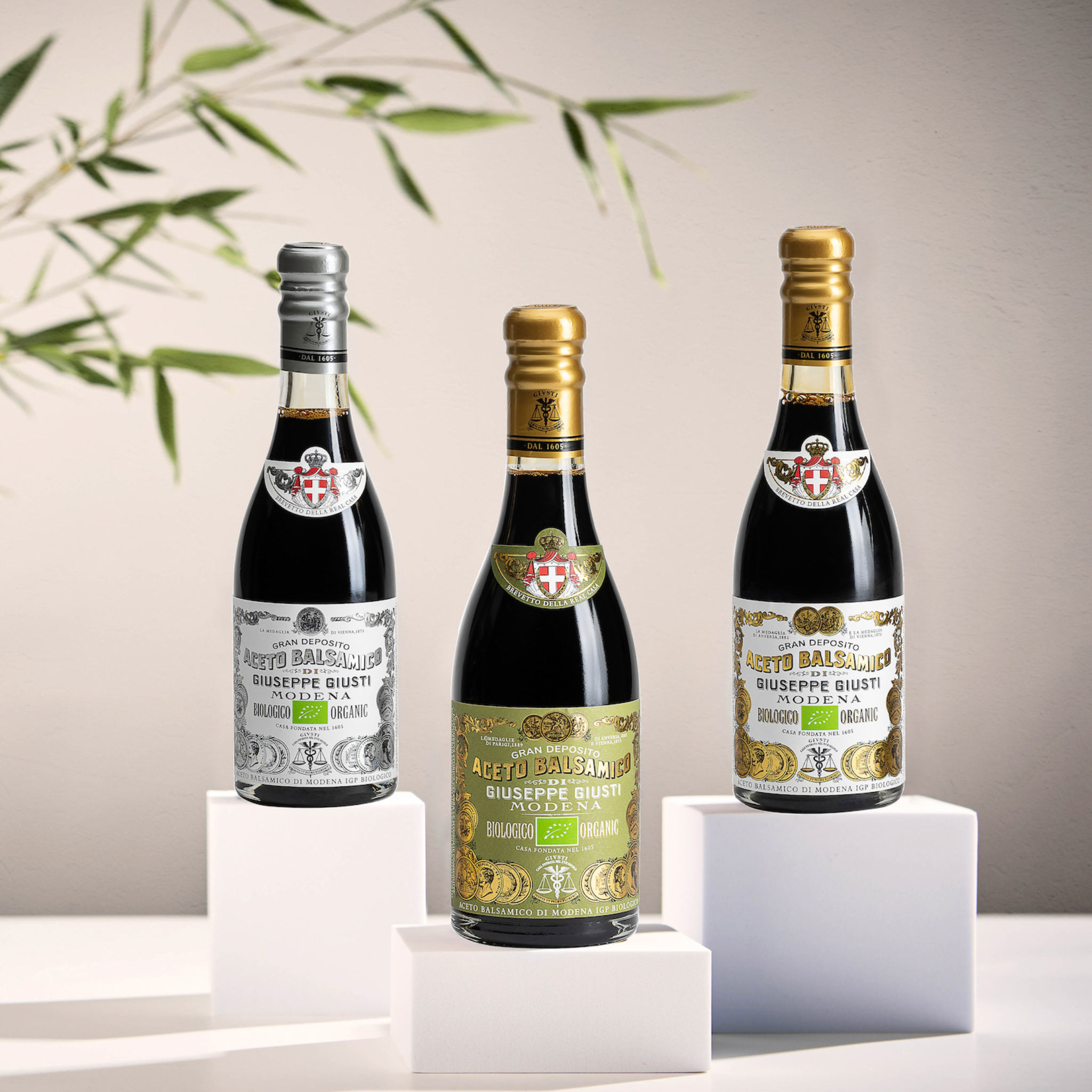
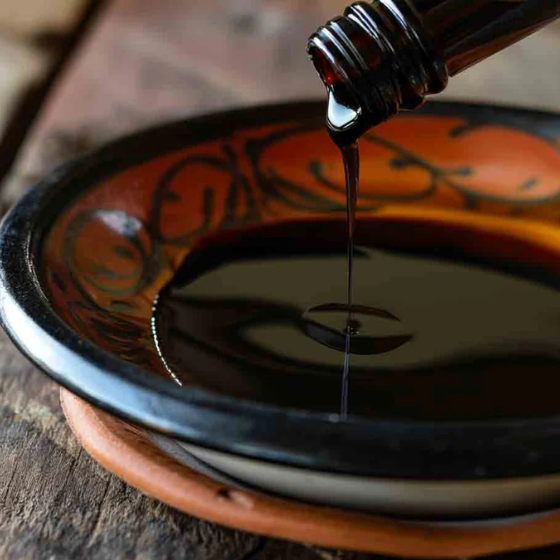
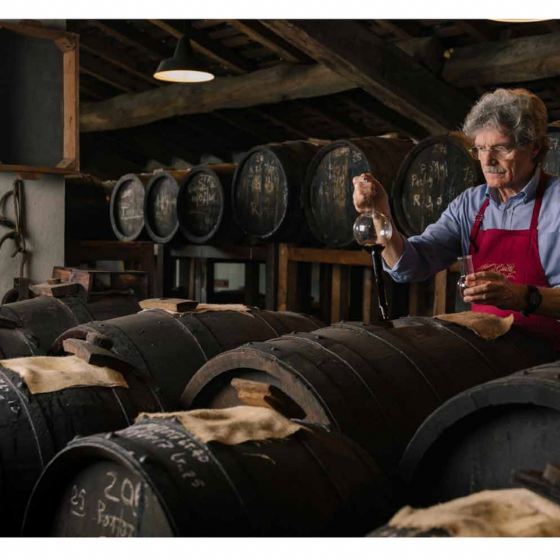
For a complete gourmet experience, we recommend combining our Pamako olive oil with our BIOLEA lemon olive oil for light dishes – or with our Giusti balsamic vinegar from Modena for salads and antipasti.
FAQs
How much high-phenolic olive oil should you consume daily?
According to EU Regulation (432/2012), the recommended daily intake is 20 g (approx. 2 tablespoons) to protect blood lipids from oxidative stress. With our Pamako organic olive oil, just 7 g a day is sufficient – thanks to its exceptionally high polyphenol concentration, which far exceeds the legal minimum standard. Recommendation: Take it on an empty stomach in the morning, straight – or raw over salads and cold dishes.
What does high phenol content mean?
Not all olive oils are created equal. While ordinary olive oils are primarily known for their flavor, high-phenolic olive oil – also called polyphenol-rich olive oil – contains a particularly high concentration of bioactive plant compounds such as oleocanthal and oleacein, known for their anti-inflammatory and antioxidant properties, the so-called polyphenols. These compounds are what transform olive oil from a simple cooking fat into a truly functional food. According to EU regulations, an olive oil is considered high in phenols if it contains at least 5 mg of hydroxytyrosol and its derivatives per 20 g.
Why is high-phenol olive oil more expensive than regular olive oil?
The high polyphenol concentration results from early harvesting of unripe olives, gentle cold pressing, and rapid processing—all labor-intensive processes that increase the price but also significantly enhance the health benefits.
Our Pamako organic olive oil with high phenol content: Cold-pressed in Crete · Certified organic · Bottled in dark Murano glass without plastic contact · Polyphenol content far exceeds the EU minimum standard
👉 Shop Pamako Monovarietal Organic Olive Oil
👉 Shop Pamako Blend Organic Olive Oil
Sources:
Pamako Official Webpage, Aristoleo, Olive Wellness Institute, Anita Zachou Blog - Expert Olive Oil Taster
The health benefits of high-phenolic olive oil are supported by numerous studies, including:
- The PREDIMED study (New England Journal of Medicine, 2018) – Cardiovascular health
- Research on oleocanthal (Nature, 2005) – Anti-inflammatory effects
- Alzheimer's research (ACS Chemical Neuroscience, 2013) – Neuroprotective effects
All references: https://thebiofoods.shop/pages/pamako-research/
Last updated: April 2025 · By The Bio Foods Editorial Team