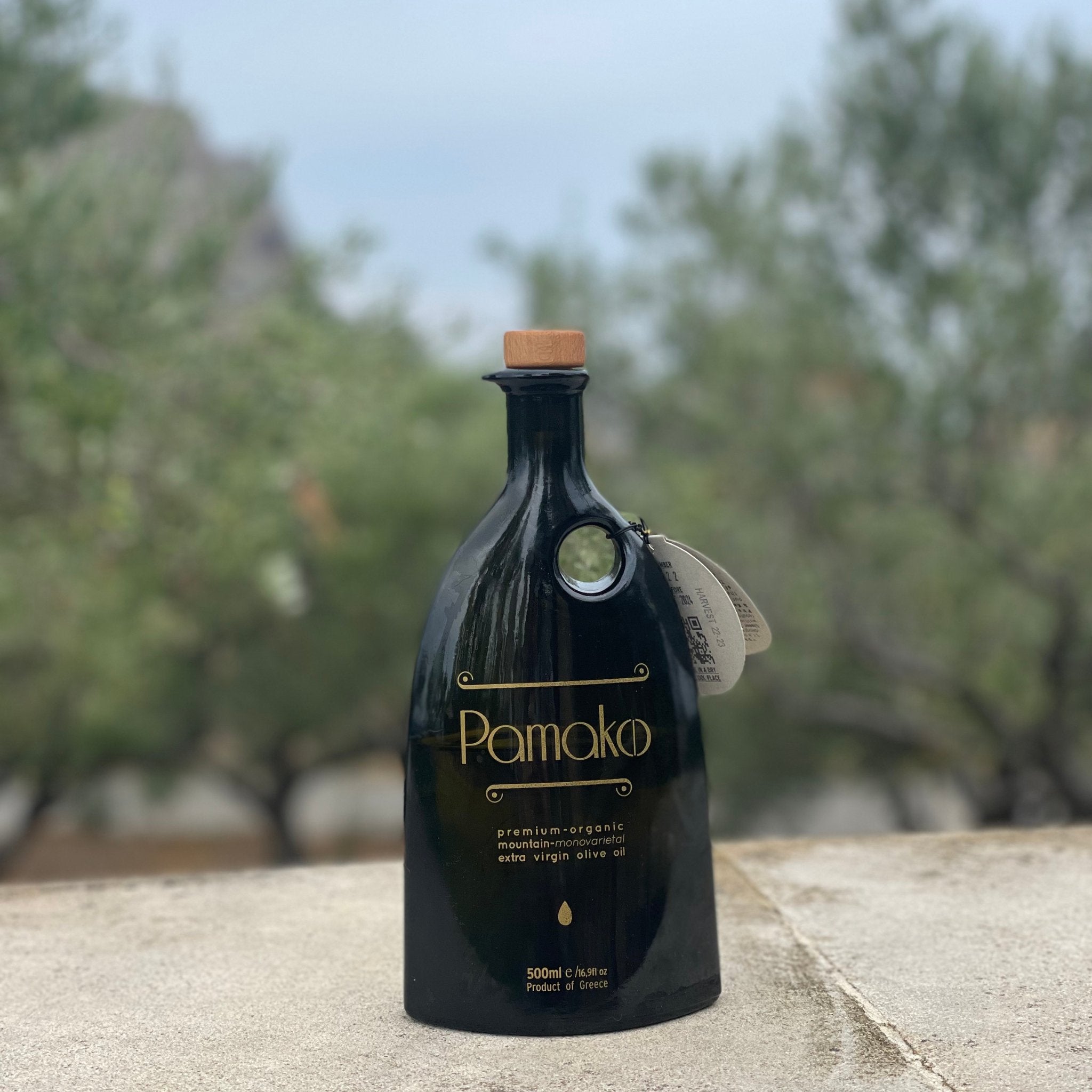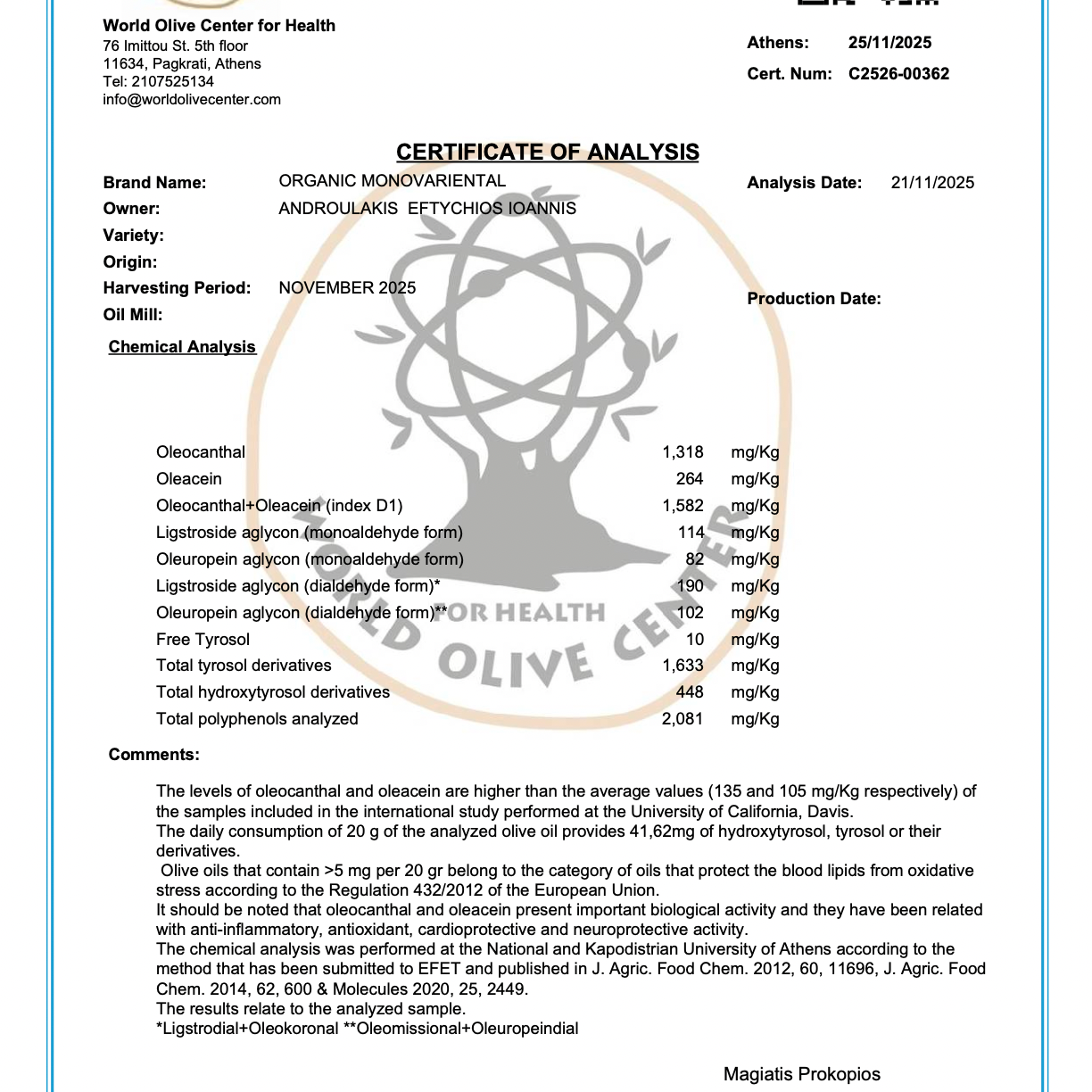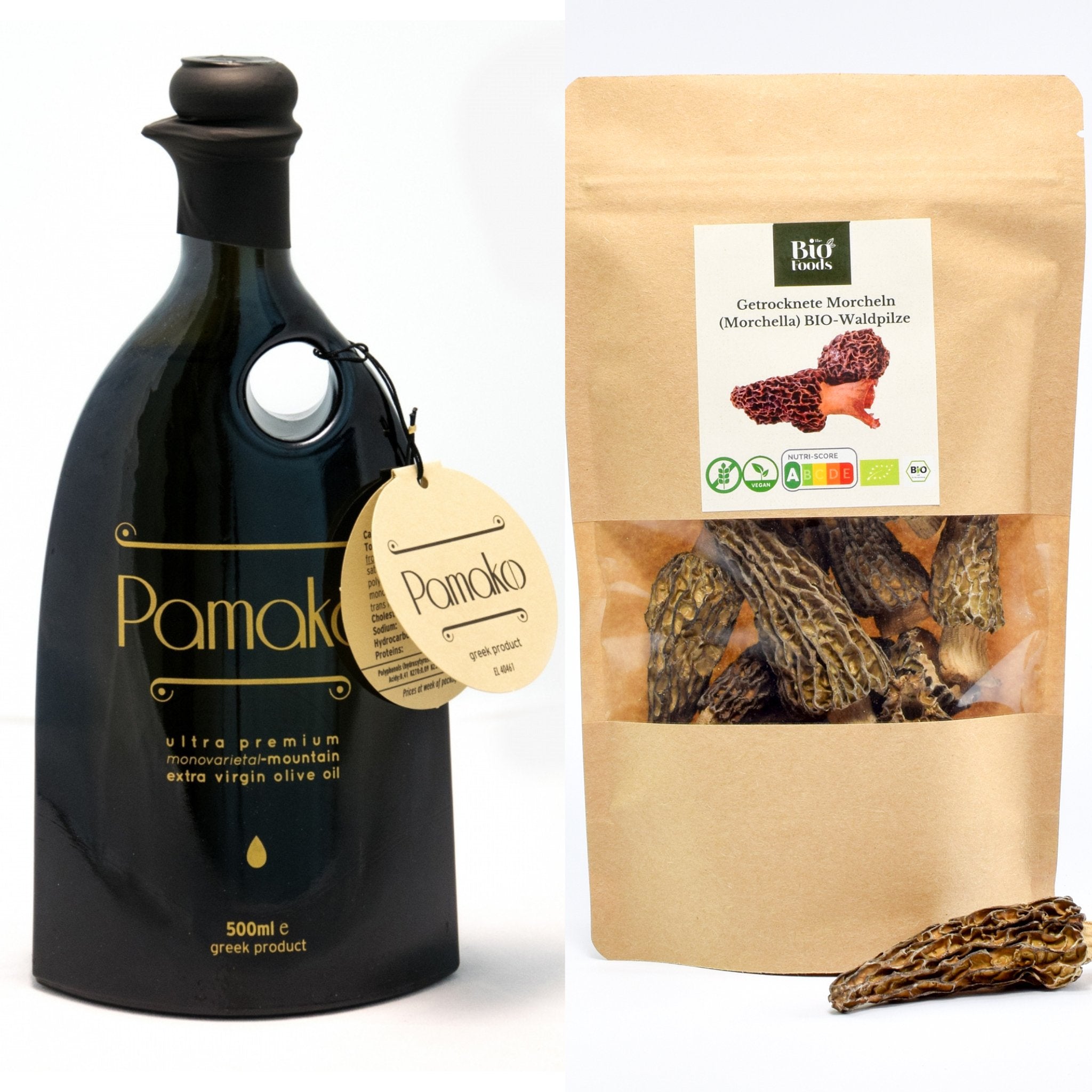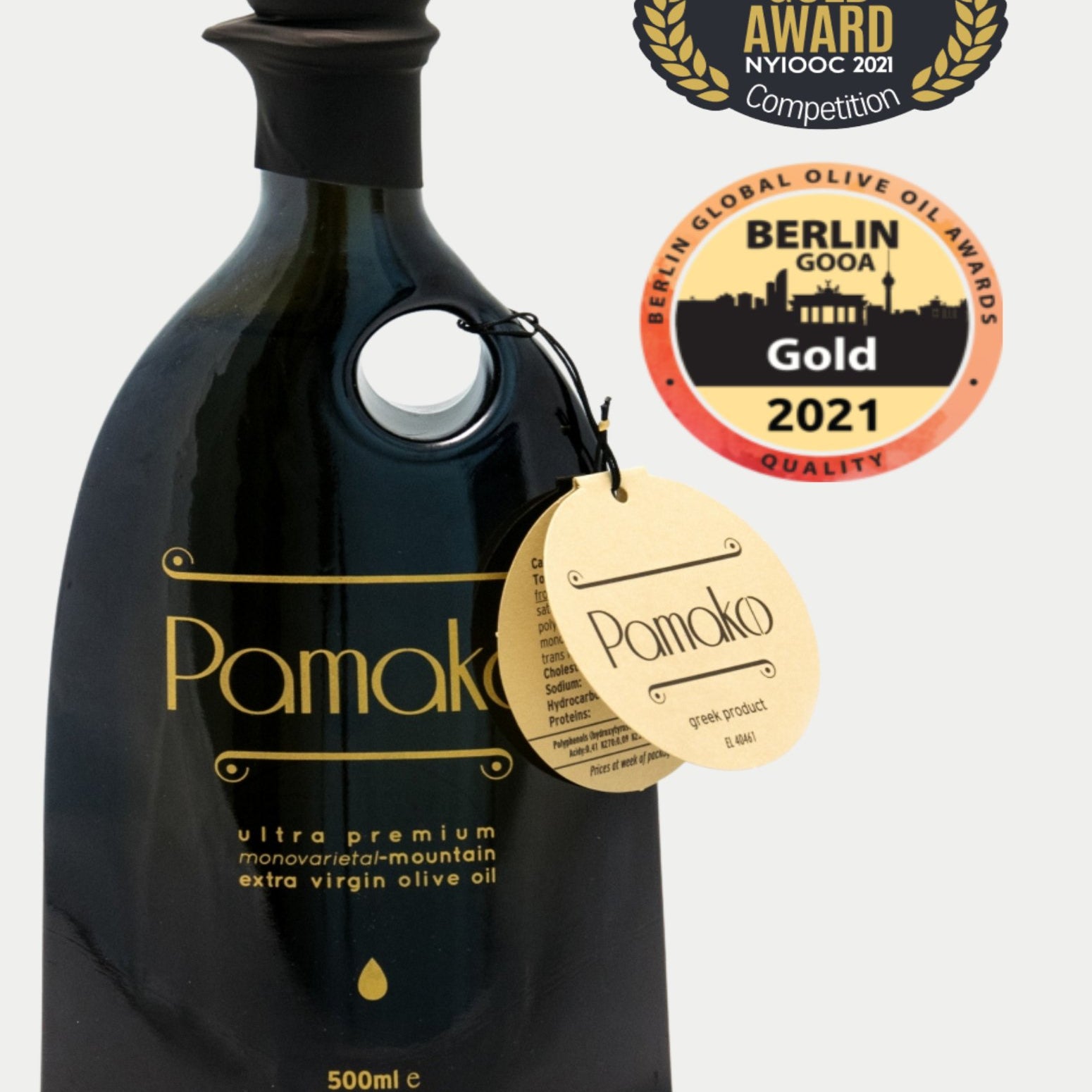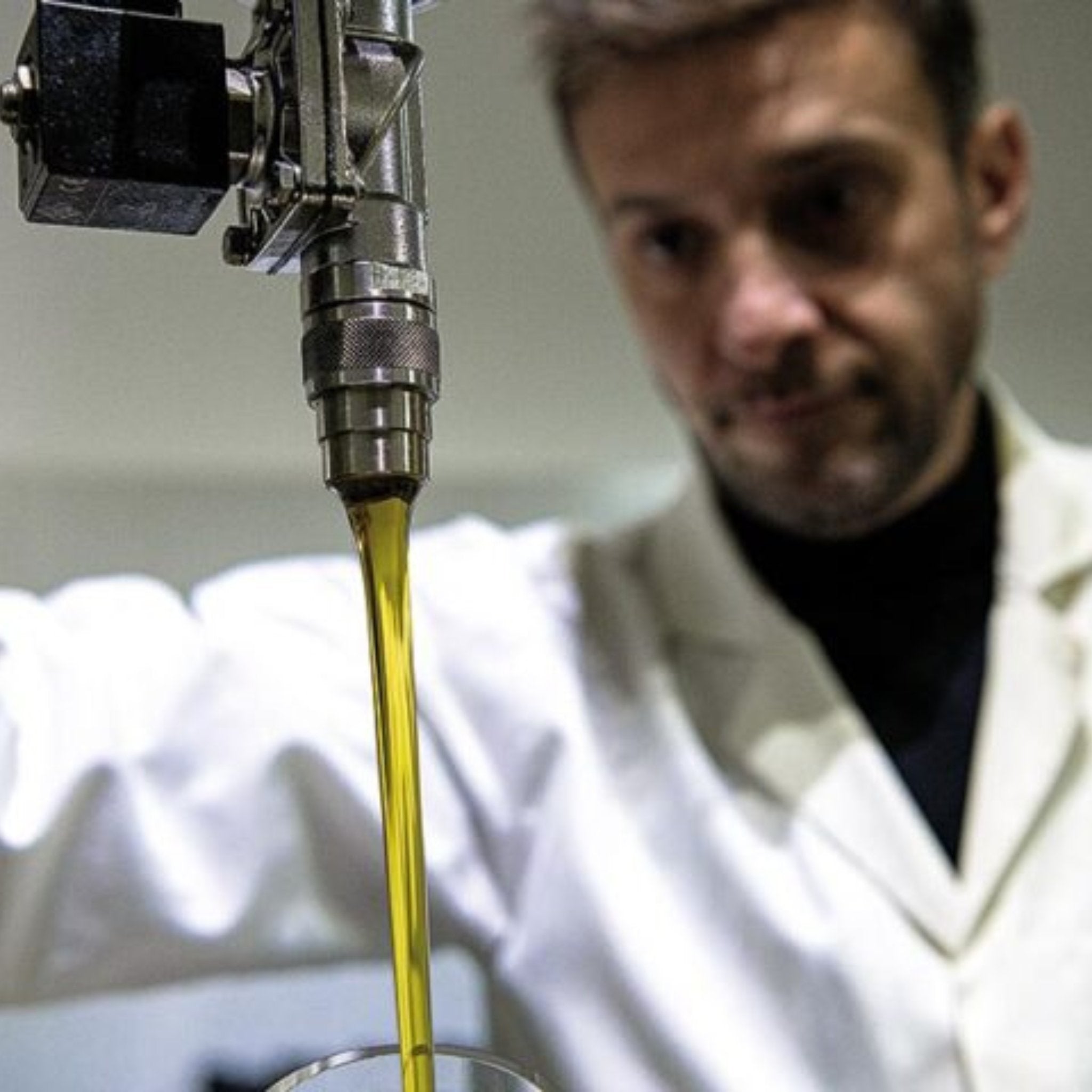


Not all great olive oils reveal themselves on a label. To understand whether an oil is truly premium, you need to taste it. This is where real extra virgin olive oil stands apart: not just in lab values, but in aroma, balance, and the sensory experience it delivers in the glass and on the palate. The current post already introduces this idea through fruitiness, bitterness, pungency, and the role of polyphenols, using Pamako as the featured example.
If you are wondering how to recognize real premium olive oil, start with what your senses tell you. High-quality extra virgin olive oil should smell fresh and vibrant, with green, herbal, or fruity notes rather than flat, greasy, or stale aromas. On the palate, premium EVOO often shows a combination of fruitiness, bitterness, and a peppery pungency in the throat, all of which are key markers in olive oil tasting.
What makes premium olive oil different
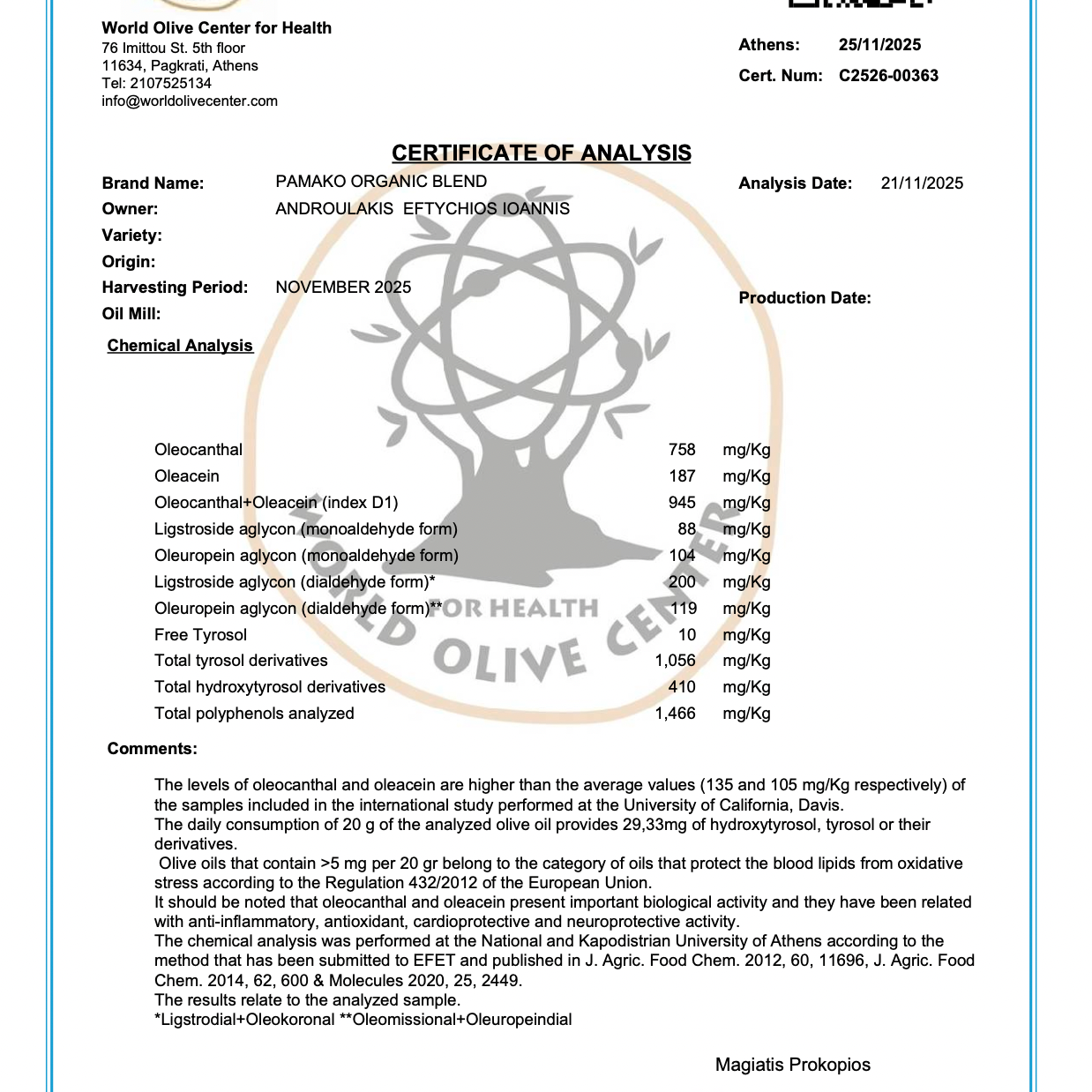
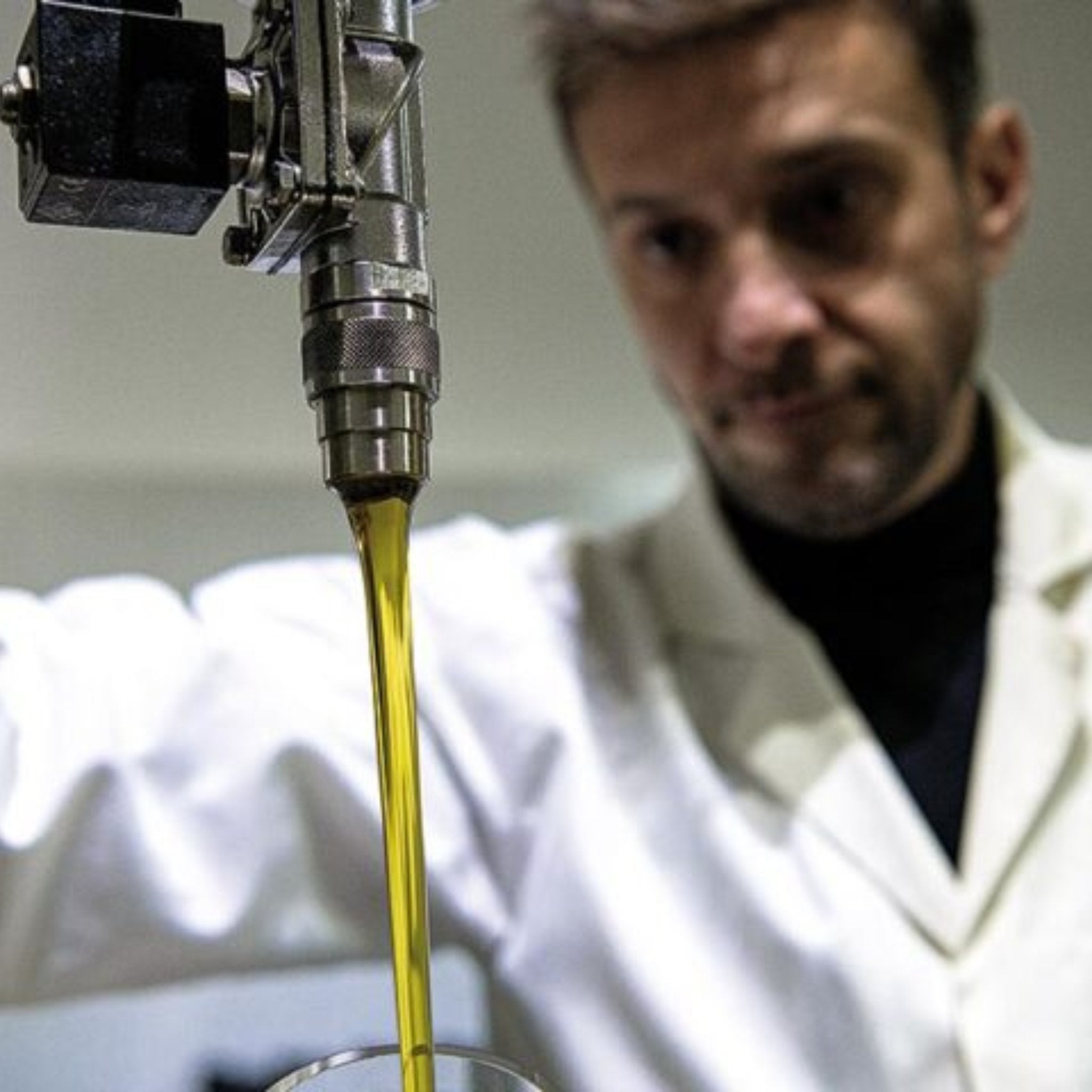
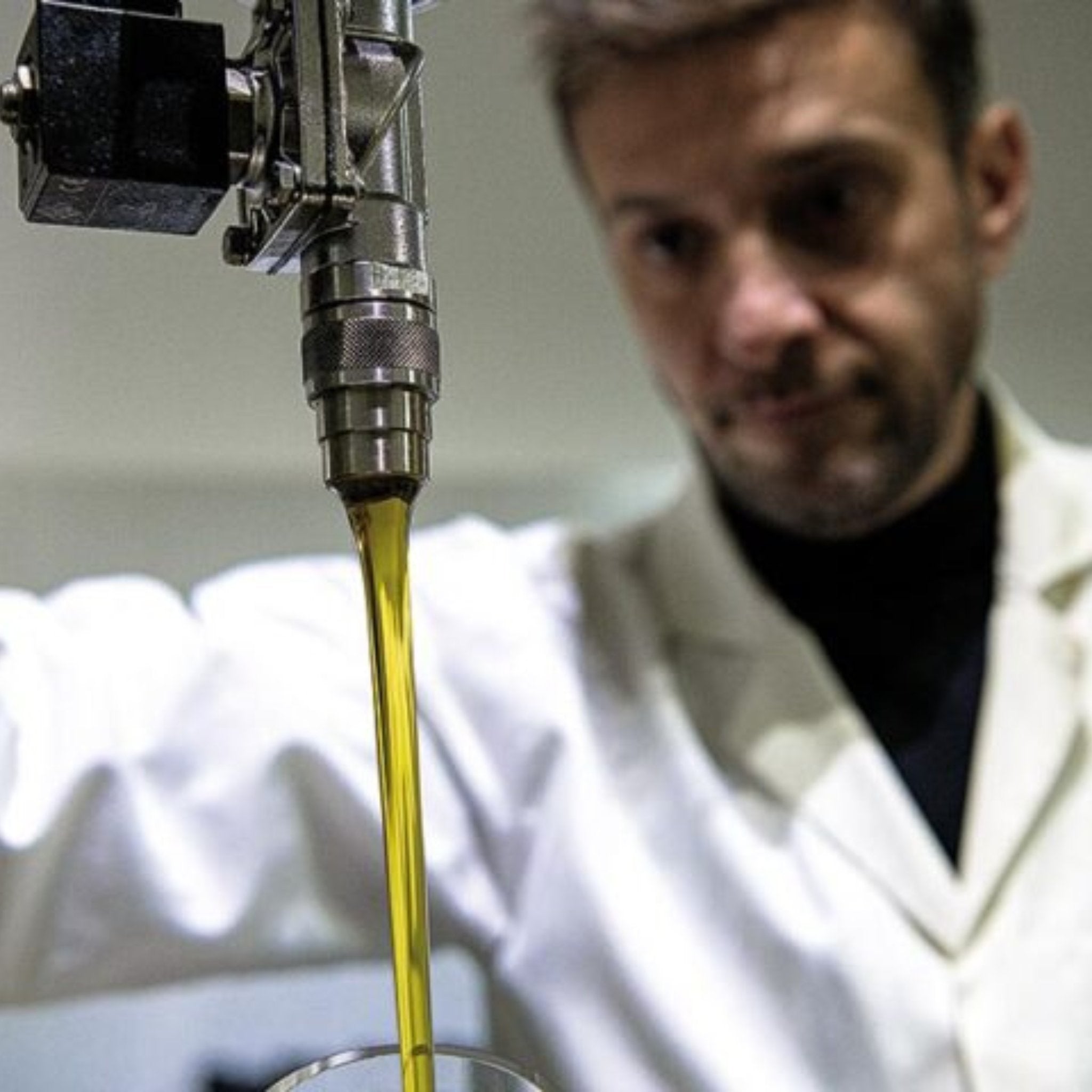
A very low acidity number alone is not enough to guarantee true quality. The current article correctly points out that an oil can look impressive on paper and still fail to qualify as extra virgin if aroma or taste defects are present. That is why olive oil quality depends on both chemical testing and sensory analysis.
The three things to look for when tasting olive oil
When learning how to taste olive oil, focus on these three core sensory markers:
- Fruitiness: fresh, green, lively aromas
- Bitterness: a sign of fresh olive compounds, especially in early harvest oils
- Pungency: that peppery sensation in the throat often associated with polyphenol-rich EVOO
- These are not flaws. In high-quality olive oil, they are part of what makes the oil feel alive and expressive.
How to taste olive oil at home
You do not need professional equipment to start tasting olive oil more carefully.
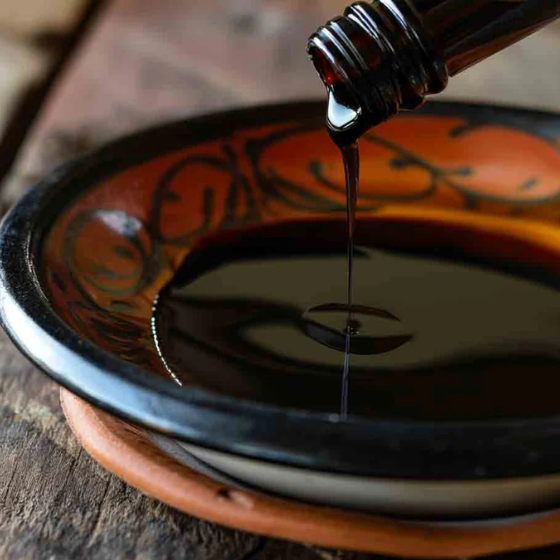
- Pour a small amount of olive oil into a glass.
- Warm it gently in your hand for a minute.
- Smell it and look for fresh, green, fruity notes.
- Take a small sip and draw in a little air.
- Notice the balance between fruitiness, bitterness, and pungency.
This post describes premium oils like Pamako as showing notes such as green apple, fresh-cut grass, avocado, green almond, kiwi, strawberry, and artichoke. These are the kinds of aromas that make tasting premium EVOO so distinctive.

Why Pamako stands out
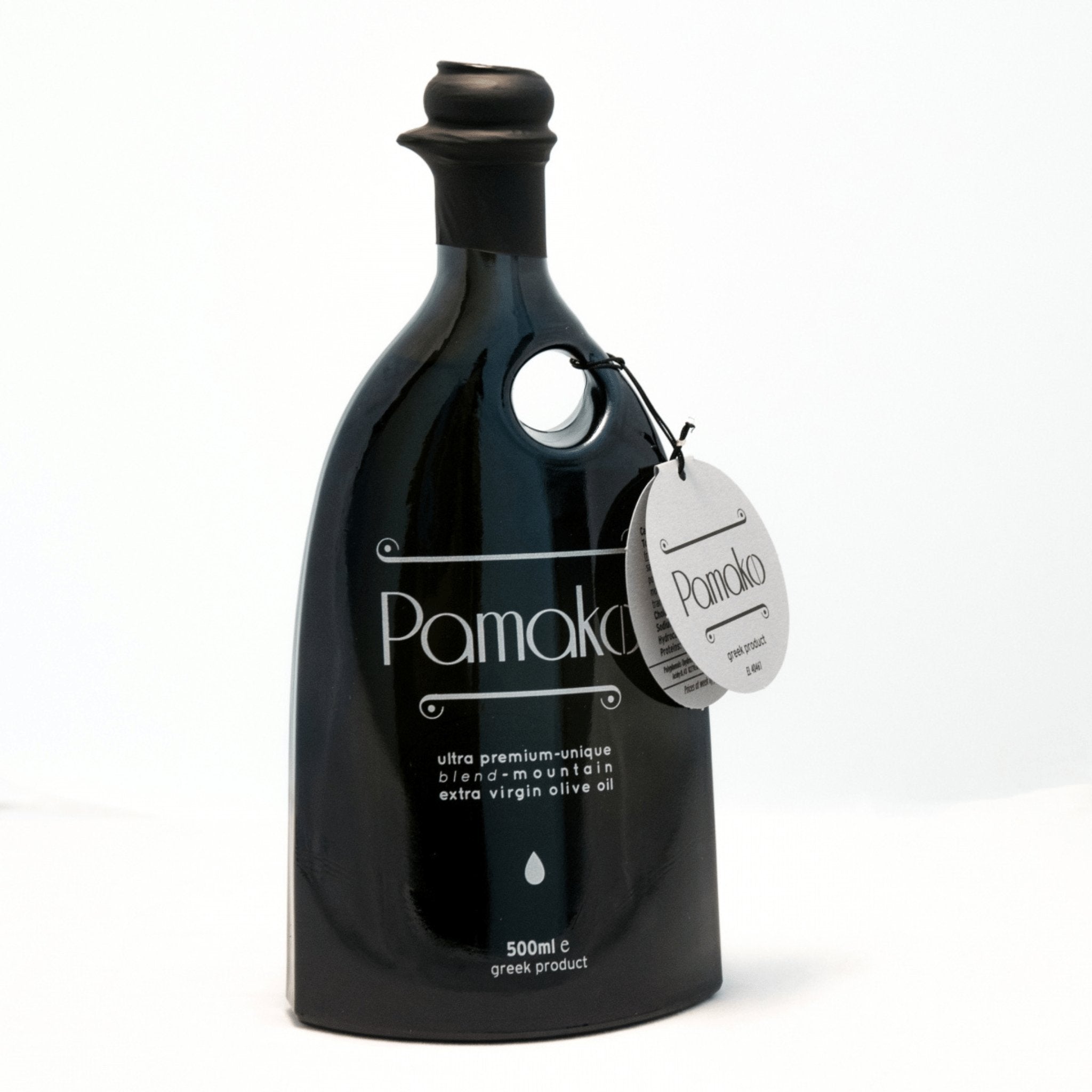
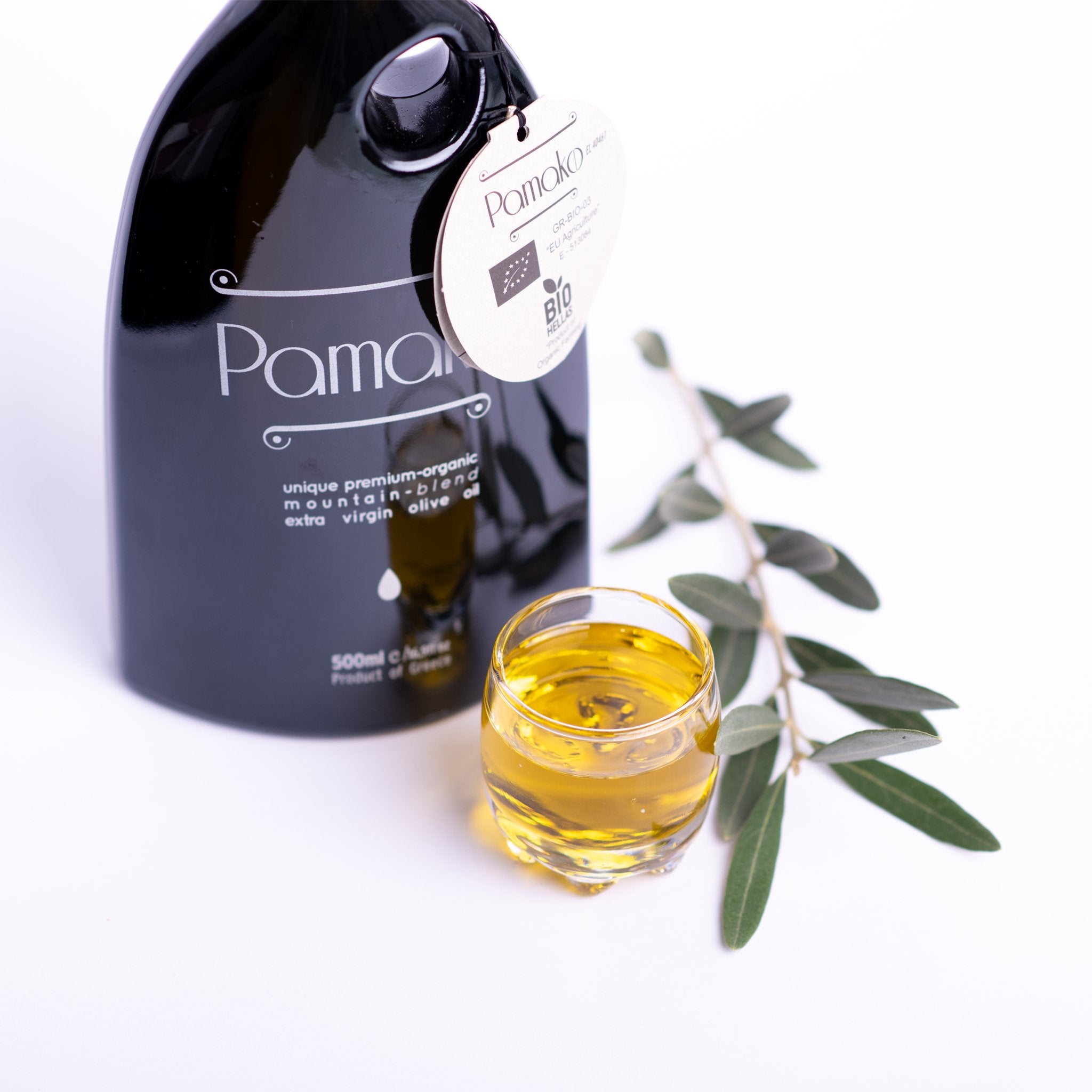
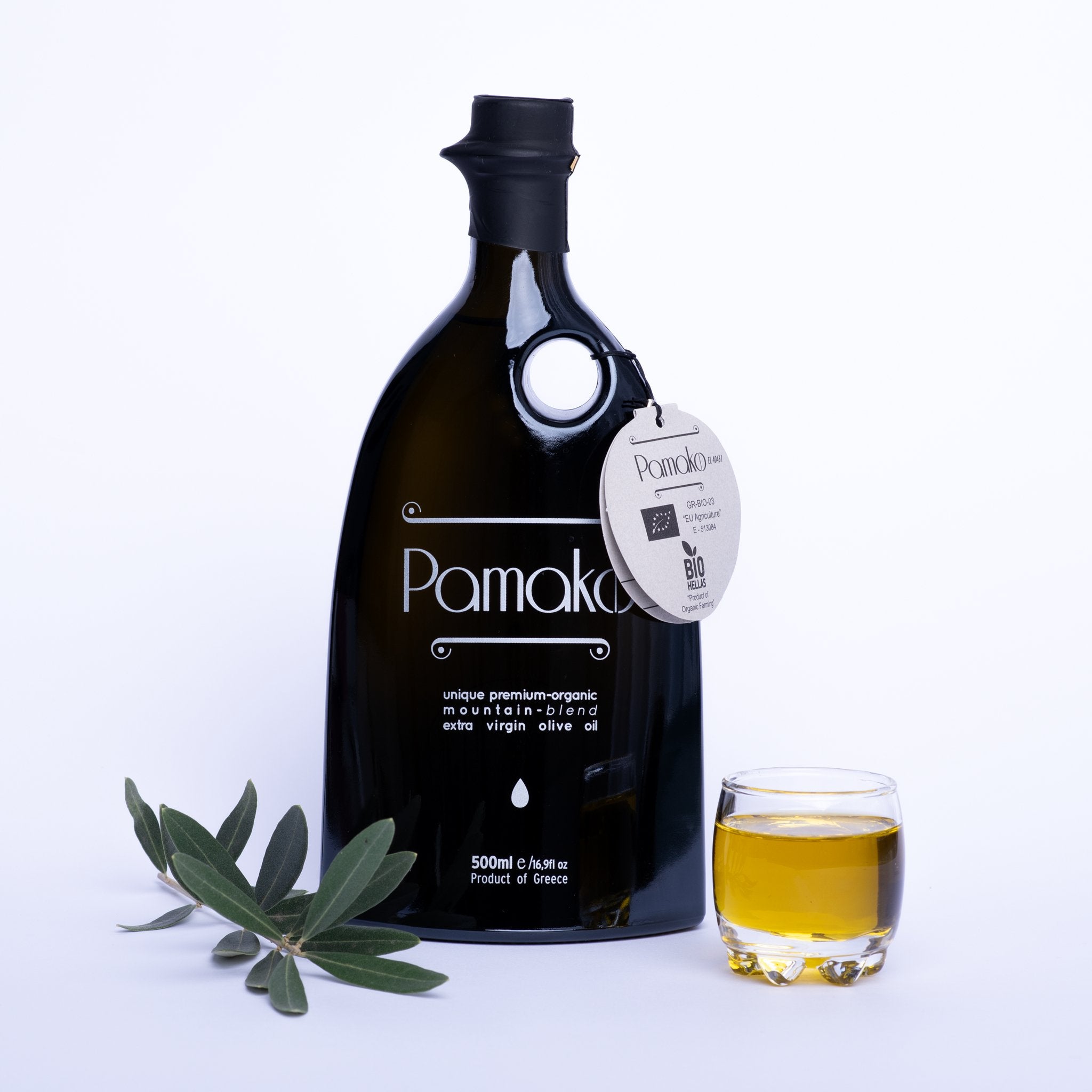
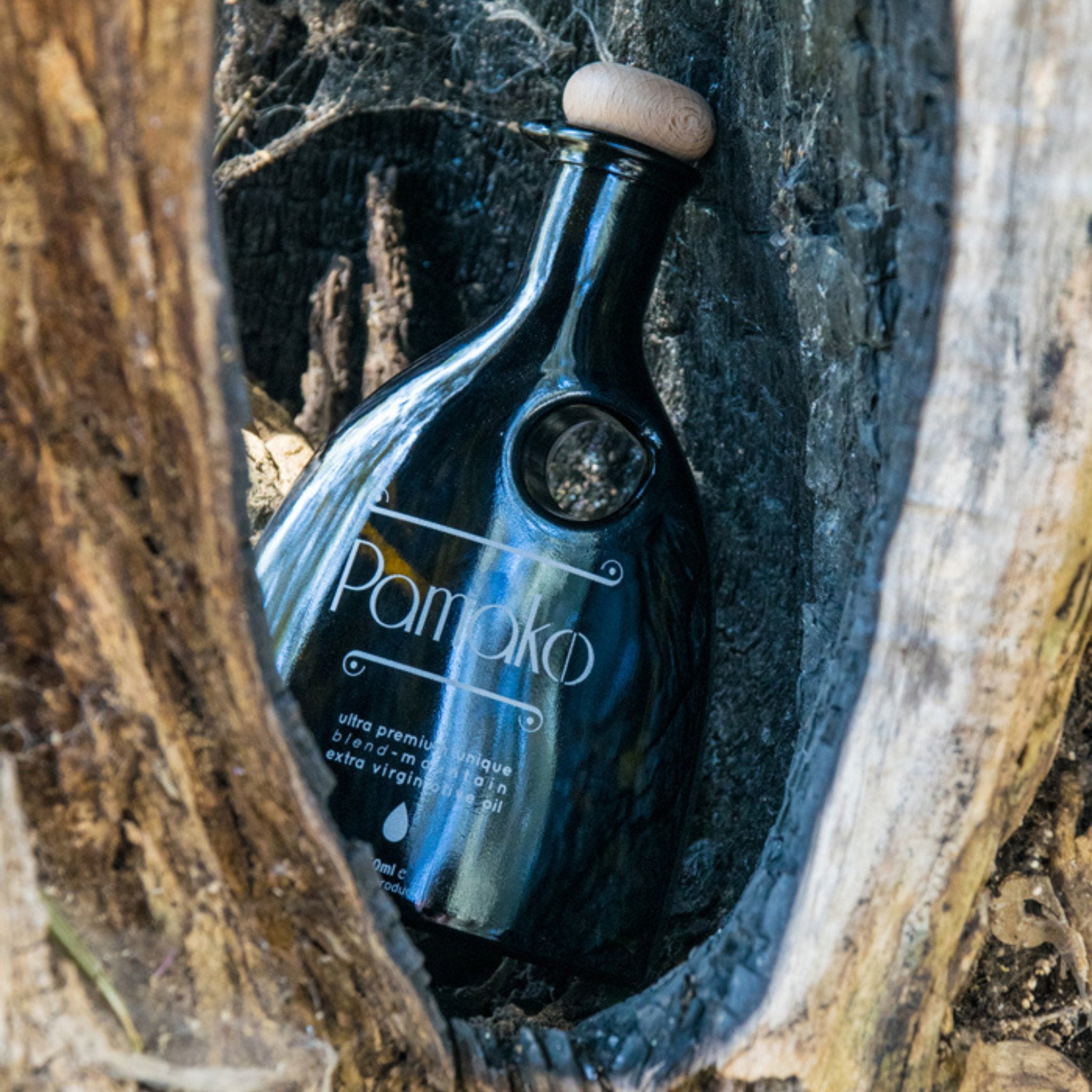
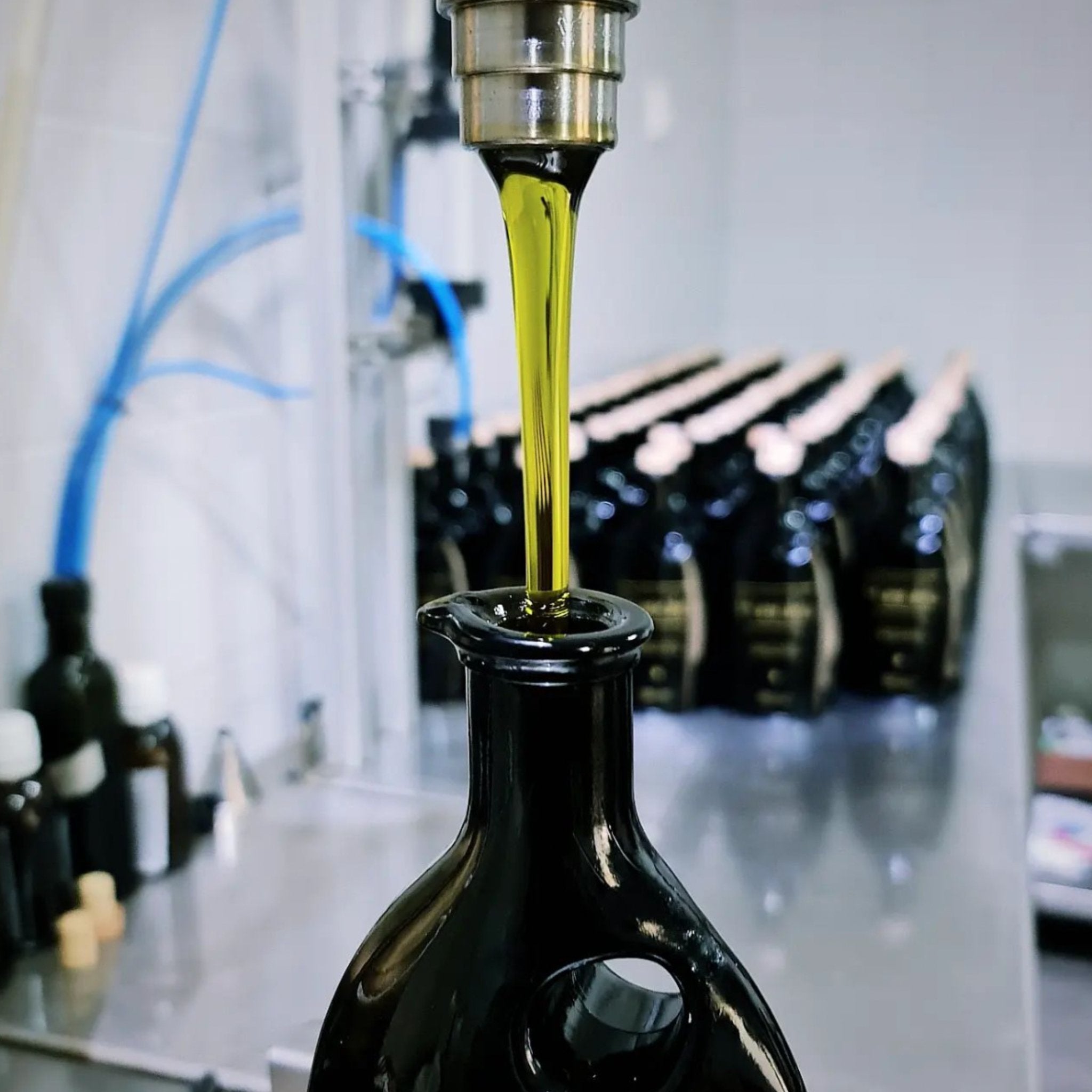
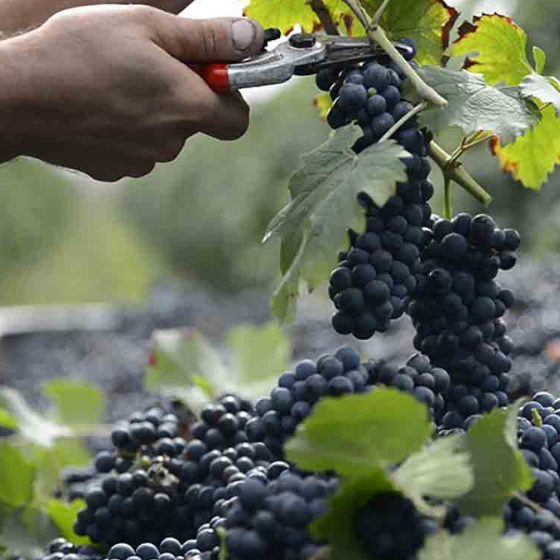
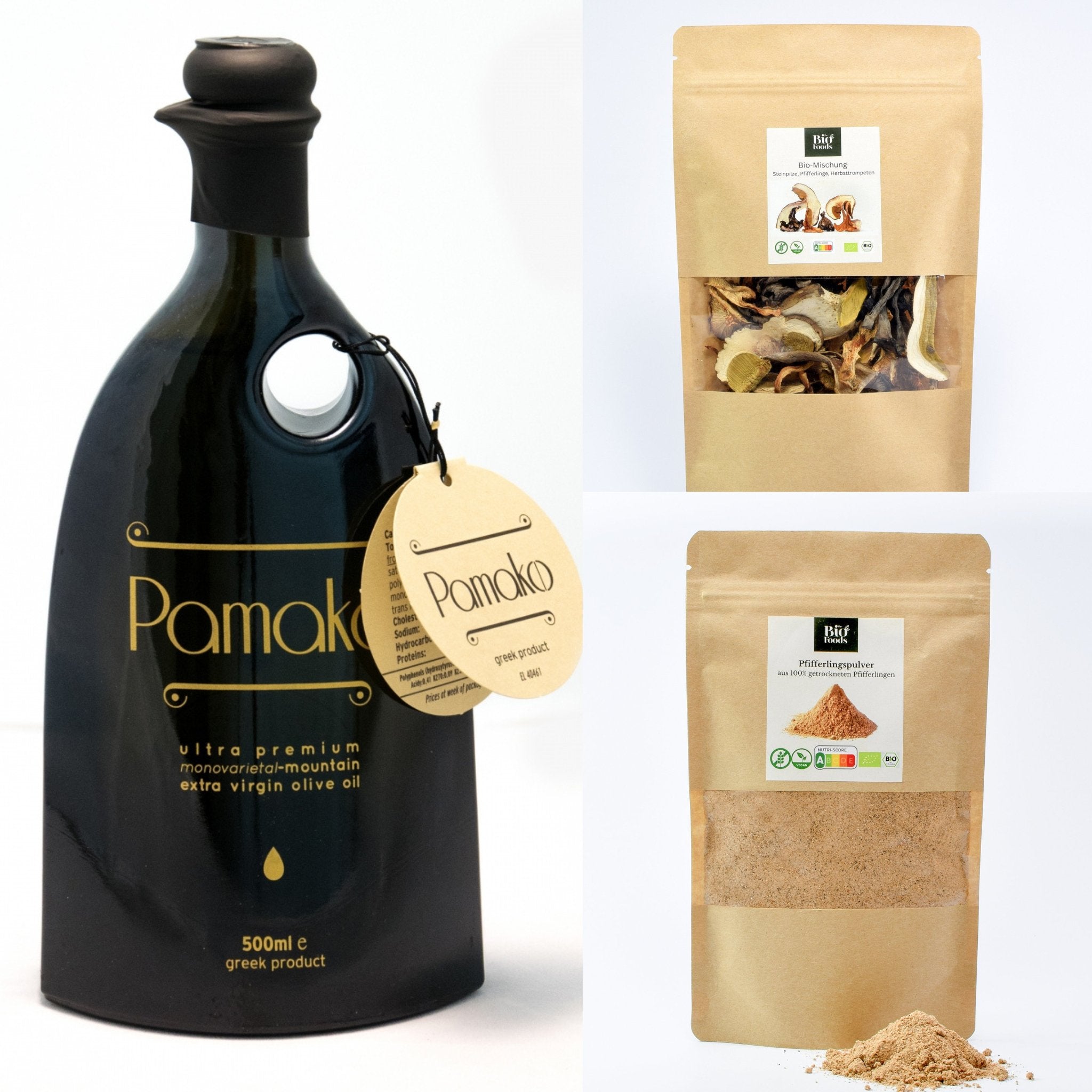
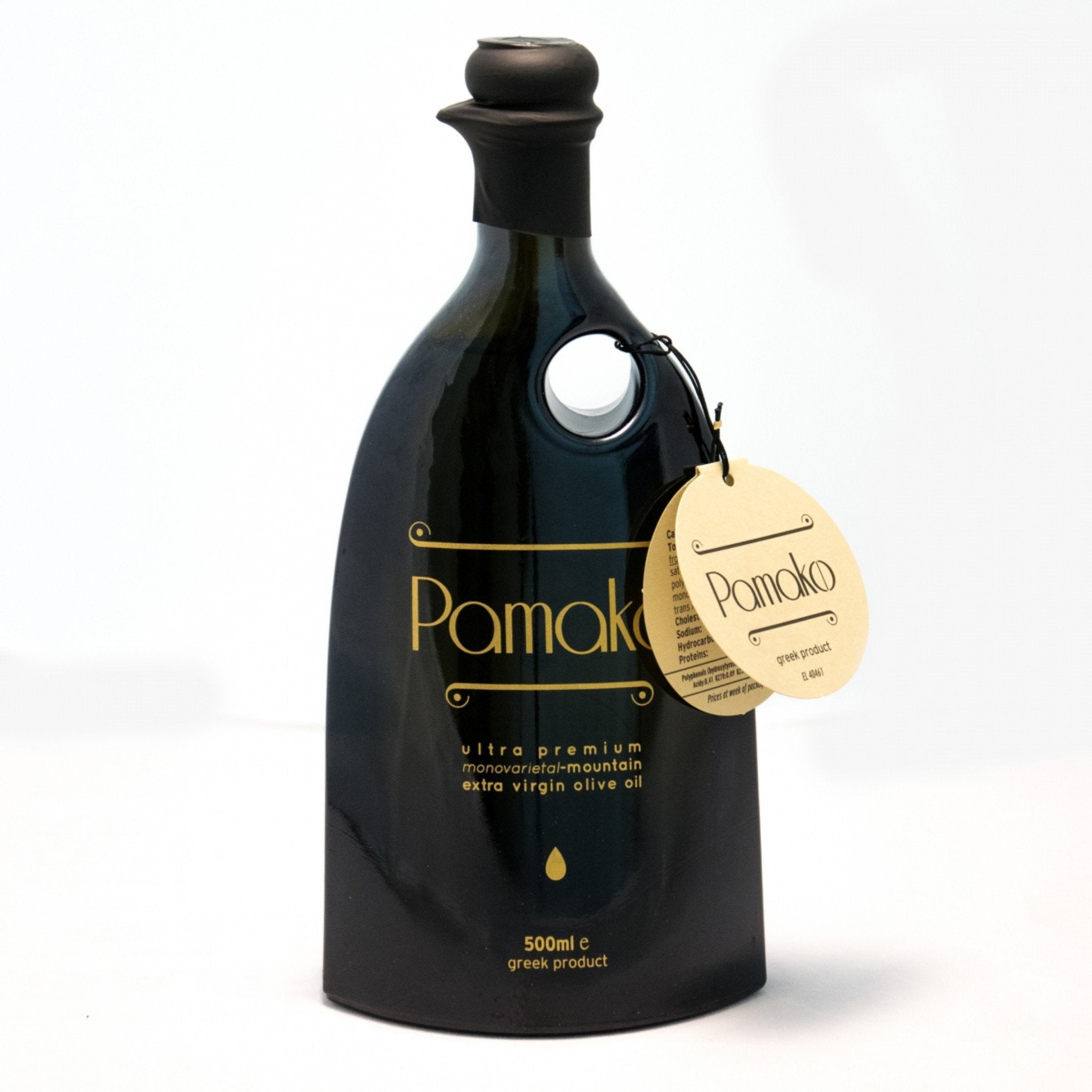
The article uses Pamako as the benchmark example of a high-quality, high-phenolic olive oil. The site presents it as a high-polyphenol extra virgin olive oil from Crete, made from ancient trees in mountain terrain, harvested early, cold-pressed the same day, and stored carefully to limit oxidation. These production details support both the flavor and the premium positioning of the oil.
What to pay attention to in the bottle
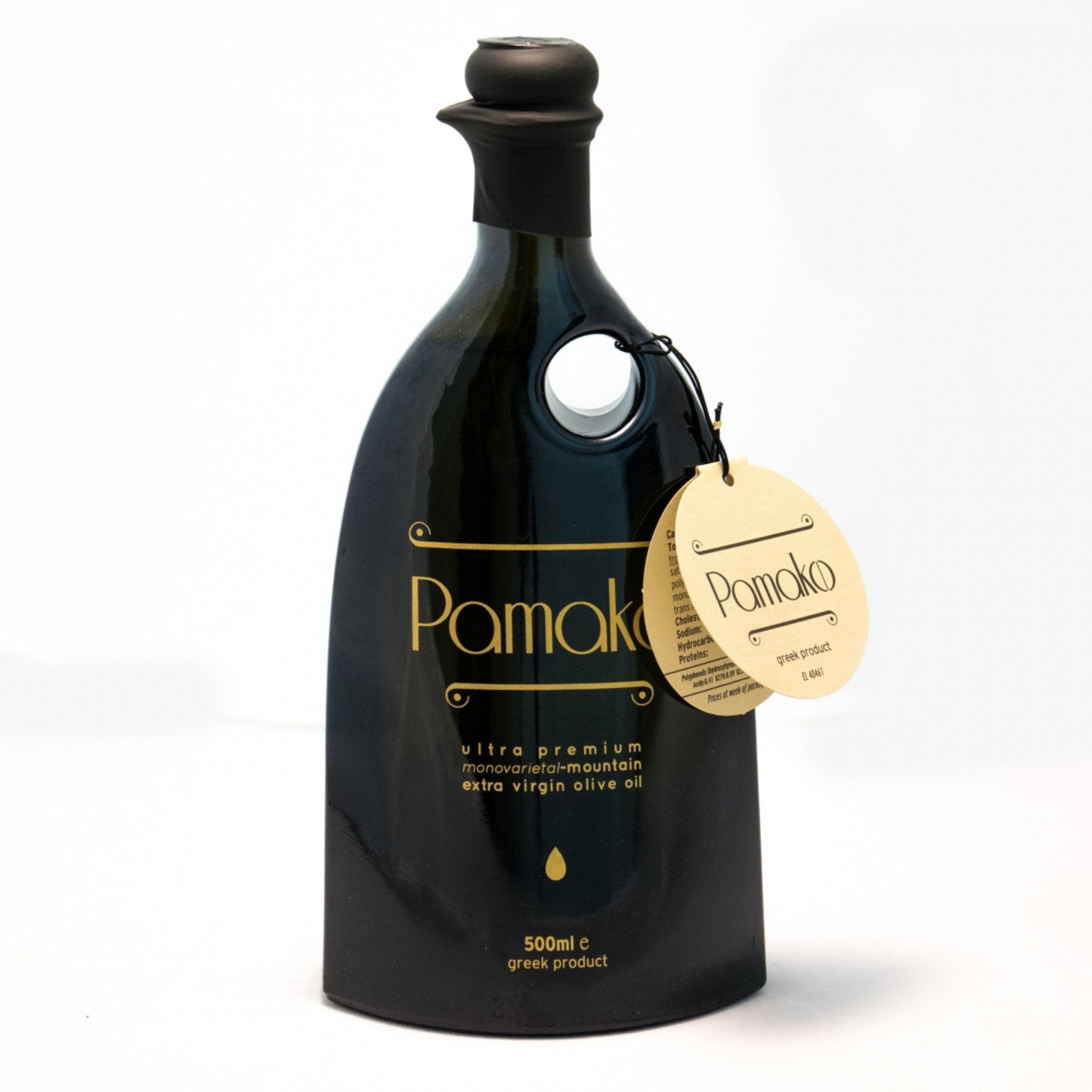
The current article also highlights that premium olive oil is about protection as well as production. Light, heat, and oxygen can all damage olive oil quality over time. That is why careful producers use dark bottles, controlled storage, and packaging choices designed to preserve freshness and phenolic stability.

Why this matters
Learning how to recognize real extra virgin olive oil helps you buy with more confidence. Once you know what fresh, premium olive oil smells and tastes like, it becomes much easier to spot quality, understand value, and choose oils that truly elevate your food.
FAQ
How do you recognize real premium olive oil?
Look for fresh aroma, clear fruitiness, balanced bitterness, and a peppery pungency rather than flat or stale notes. The current article emphasizes that sensory quality matters as much as lab values.
Can olive oil have low acidity and still not be extra virgin?
Yes. The current post states that an oil can have very strong lab values and still lose its extra virgin status if aroma or taste defects are present.
What does pungency mean in olive oil?
Pungency is the peppery sensation you feel in the throat when tasting certain fresh, polyphenol-rich olive oils.
Why is Pamako used as the example here?
Because the site presents Pamako as a high-phenolic premium EVOO with strong sensory character, careful production, and a profile that clearly demonstrates what real premium olive oil should taste like.