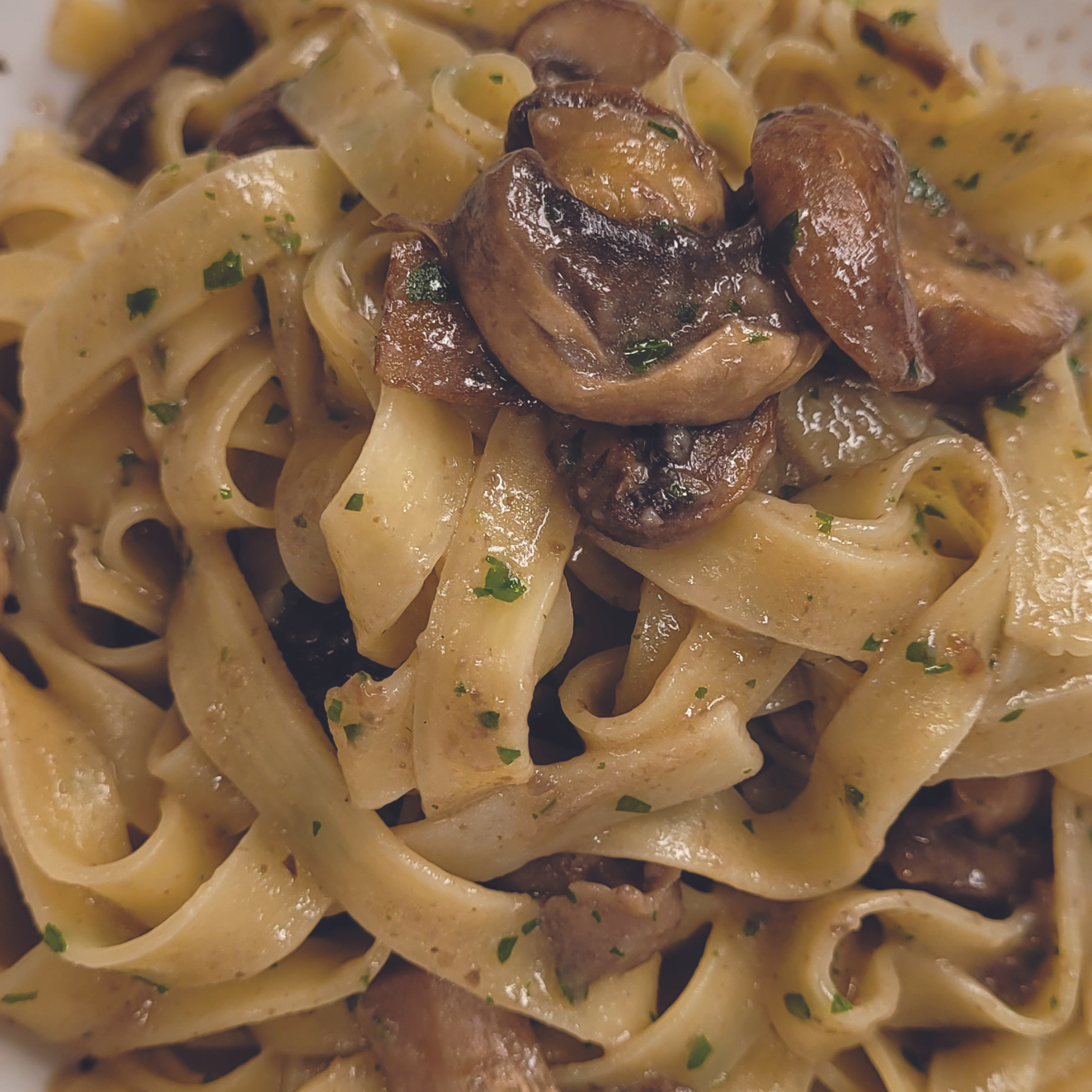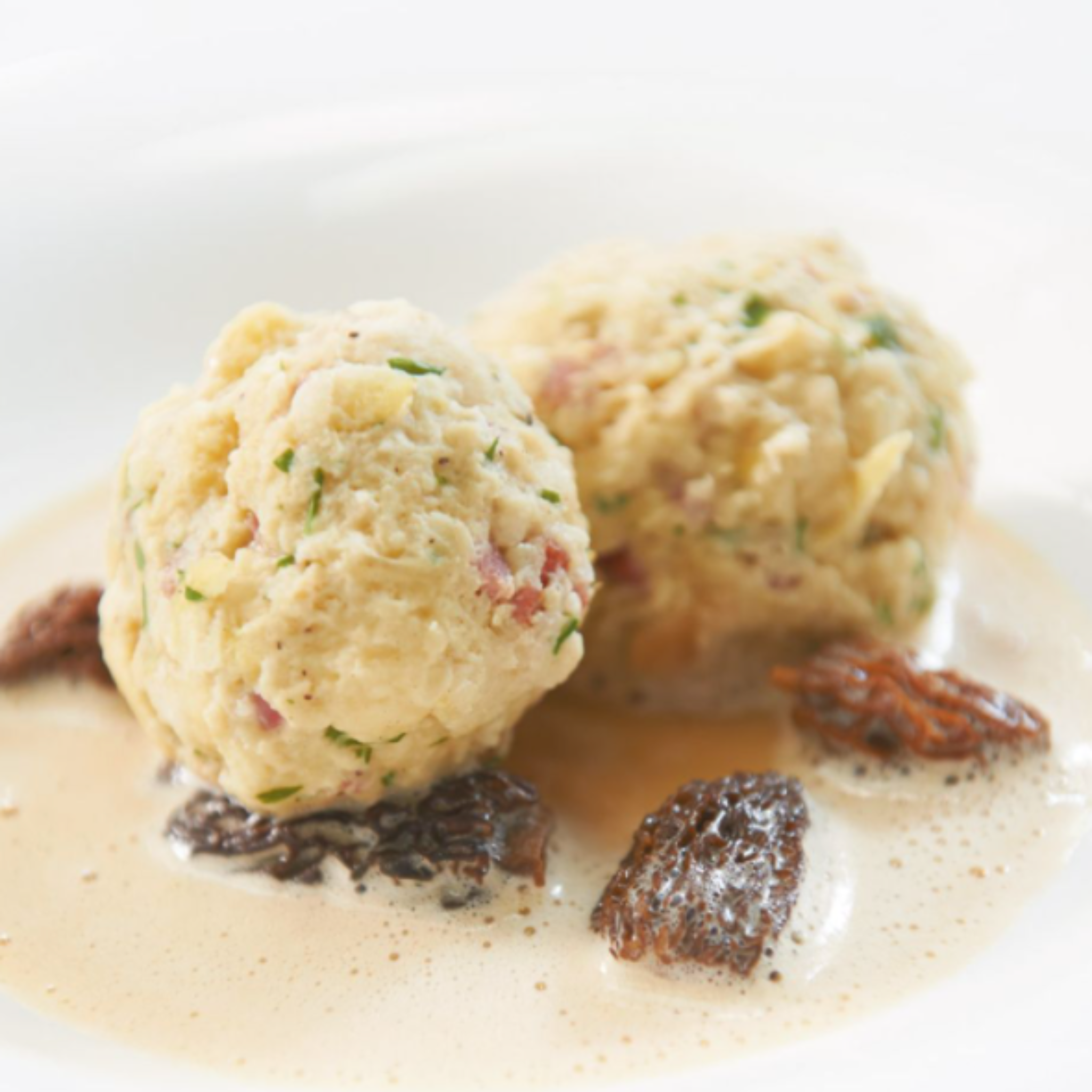


Right now, mushrooms are having a major moment. They are starring in gourmet restaurant dishes, popping up in our wellness routines, and even making their way into our morning coffee.
But when you browse the shelves, you’ll usually see two distinct labels: Wild-Harvested and Cultivated mushrooms.
Does it actually matter where your mushrooms come from?
Absolutely.
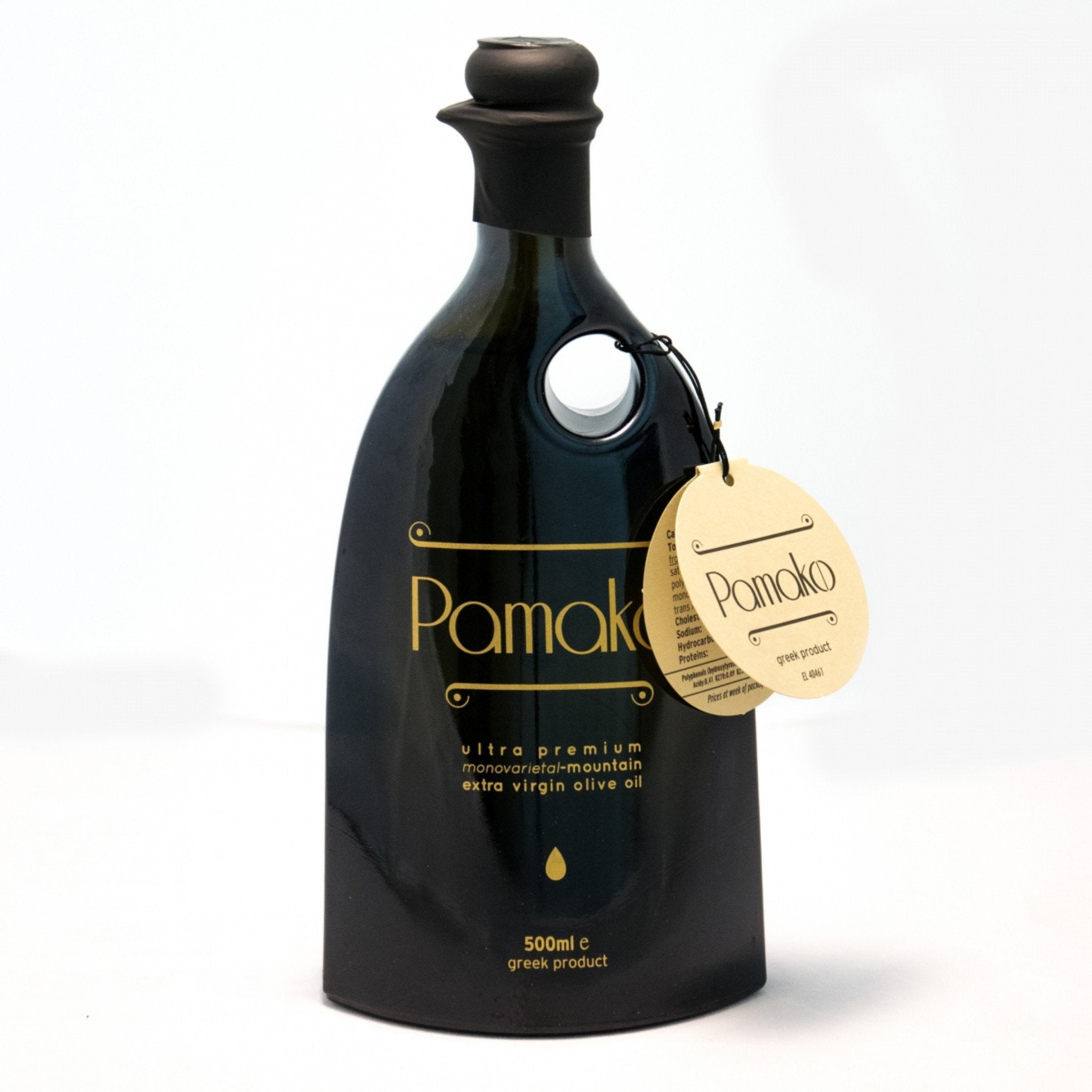
Just like our olive oils, a mushroom's environment changes everything about its flavor, its nutrients, and how you should use it in your kitchen.
Let’s break down the difference between the wild forest wonders and the farm powered fungi - and explore why both deserve a spot in your pantry.
The Magic of the Forest: Wild Mushrooms
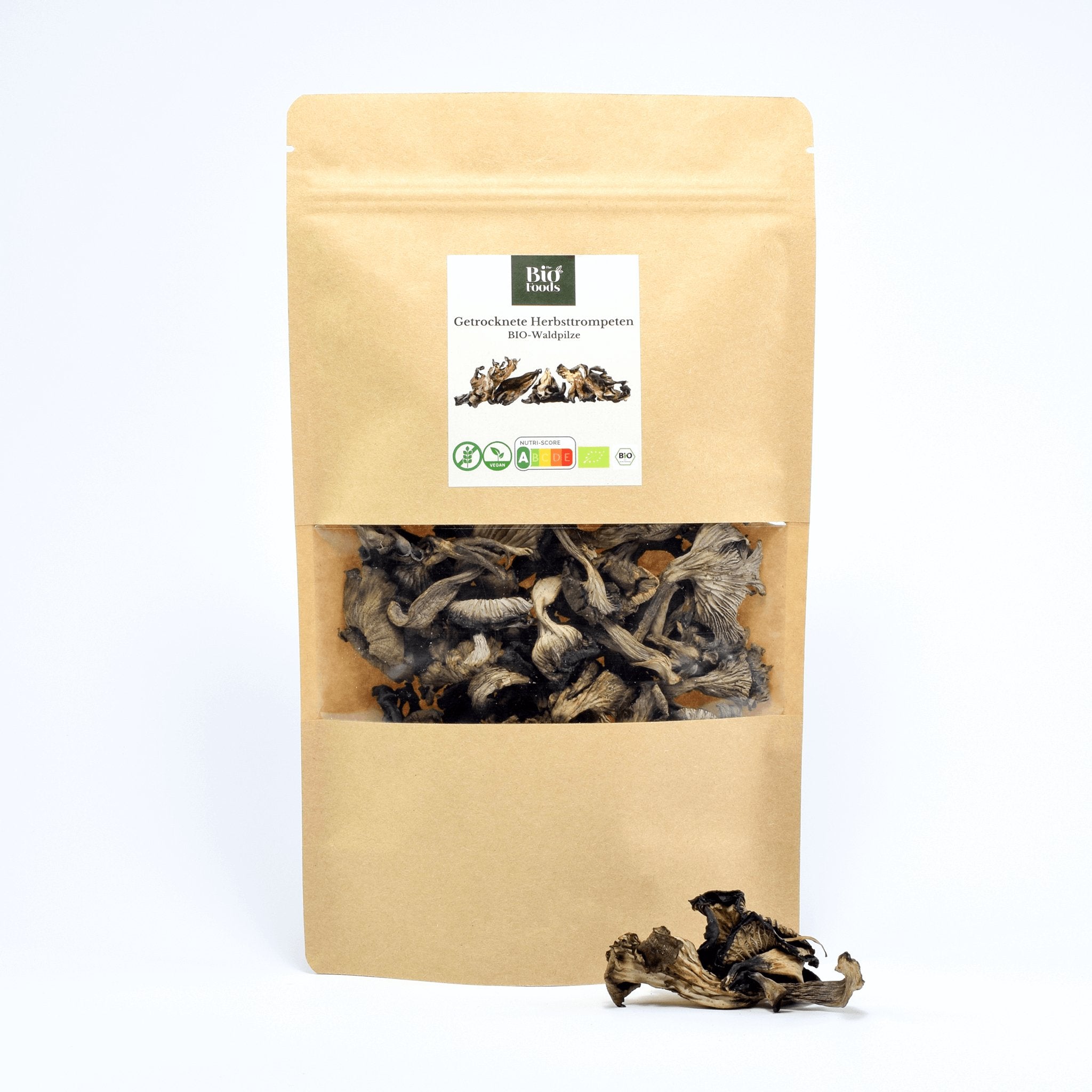
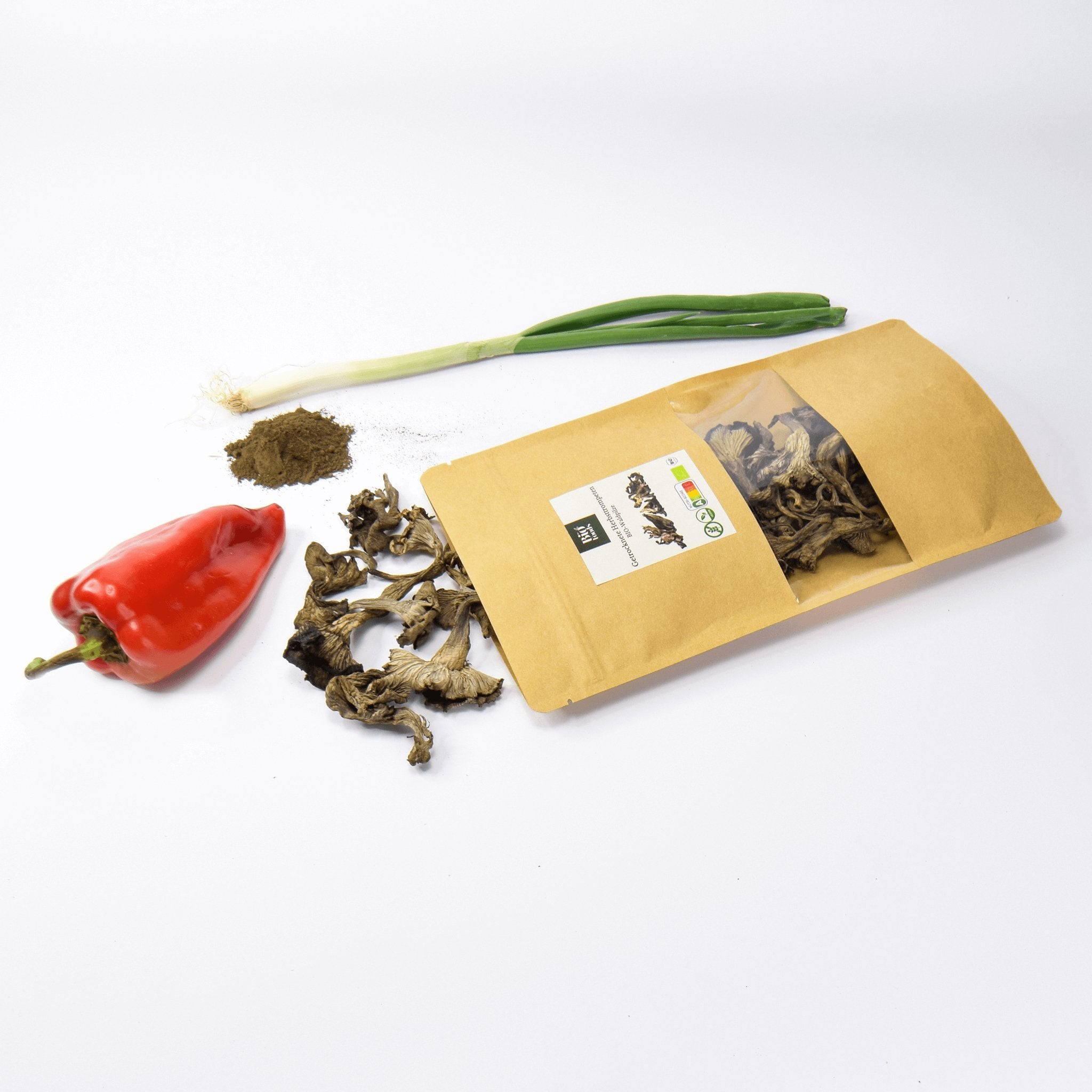
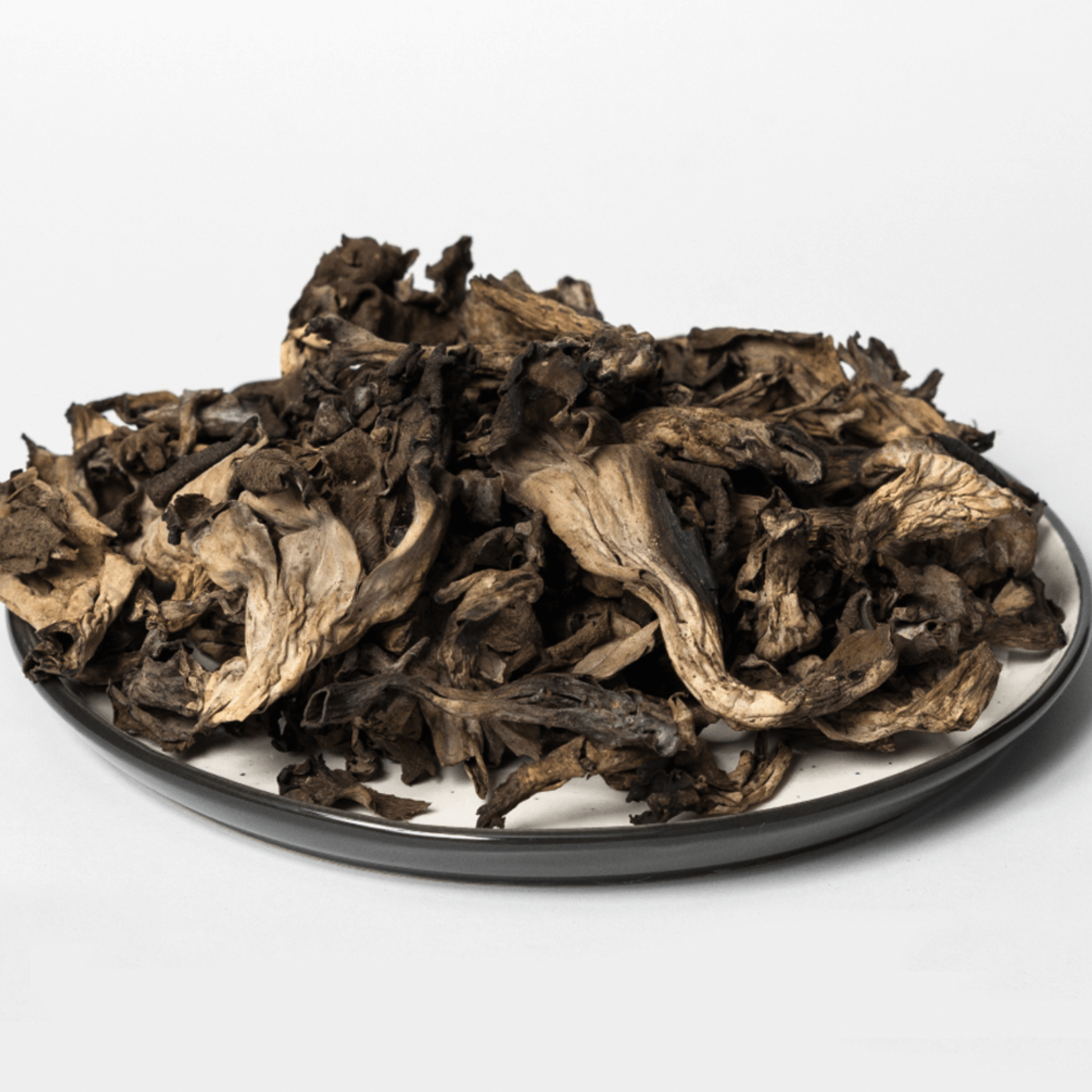
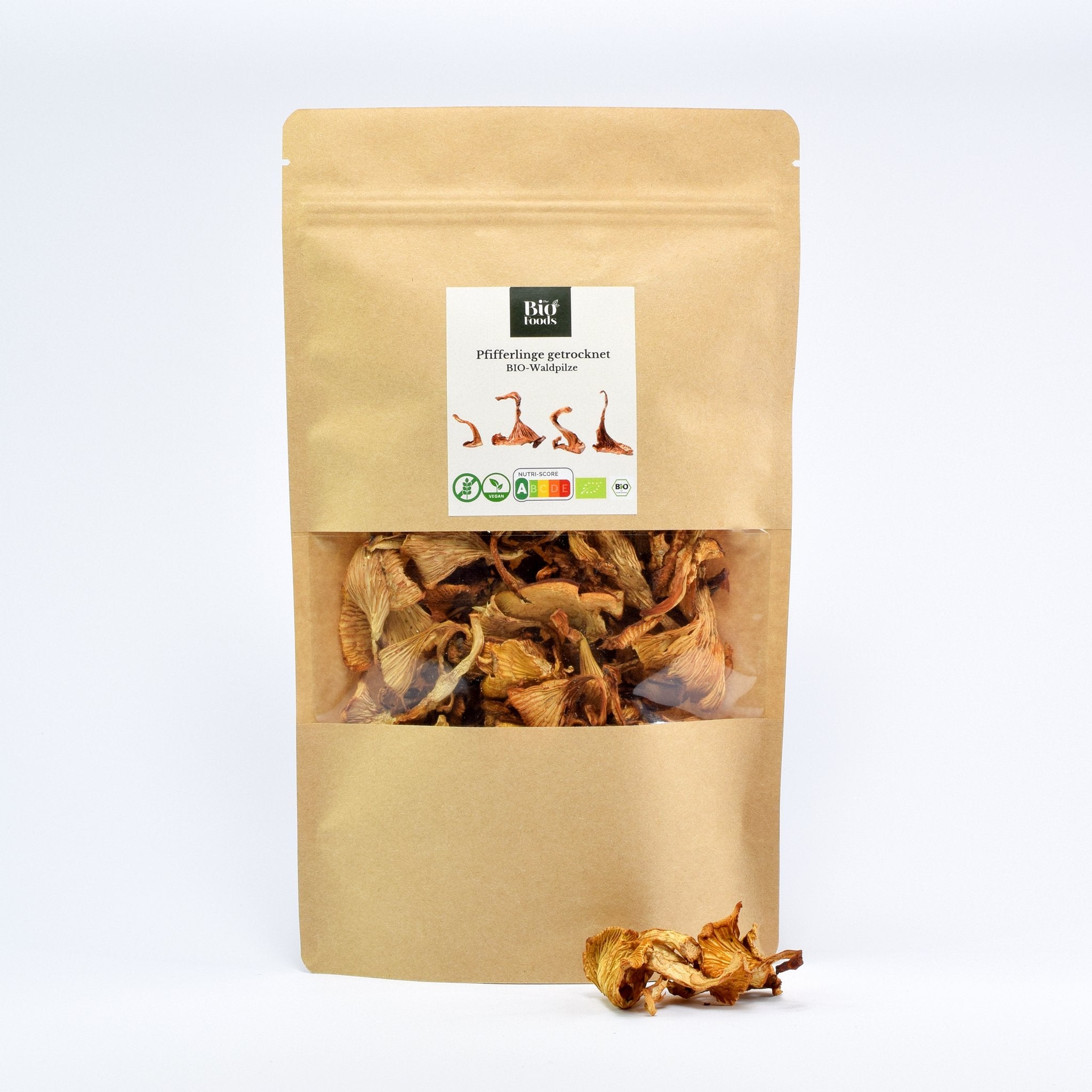
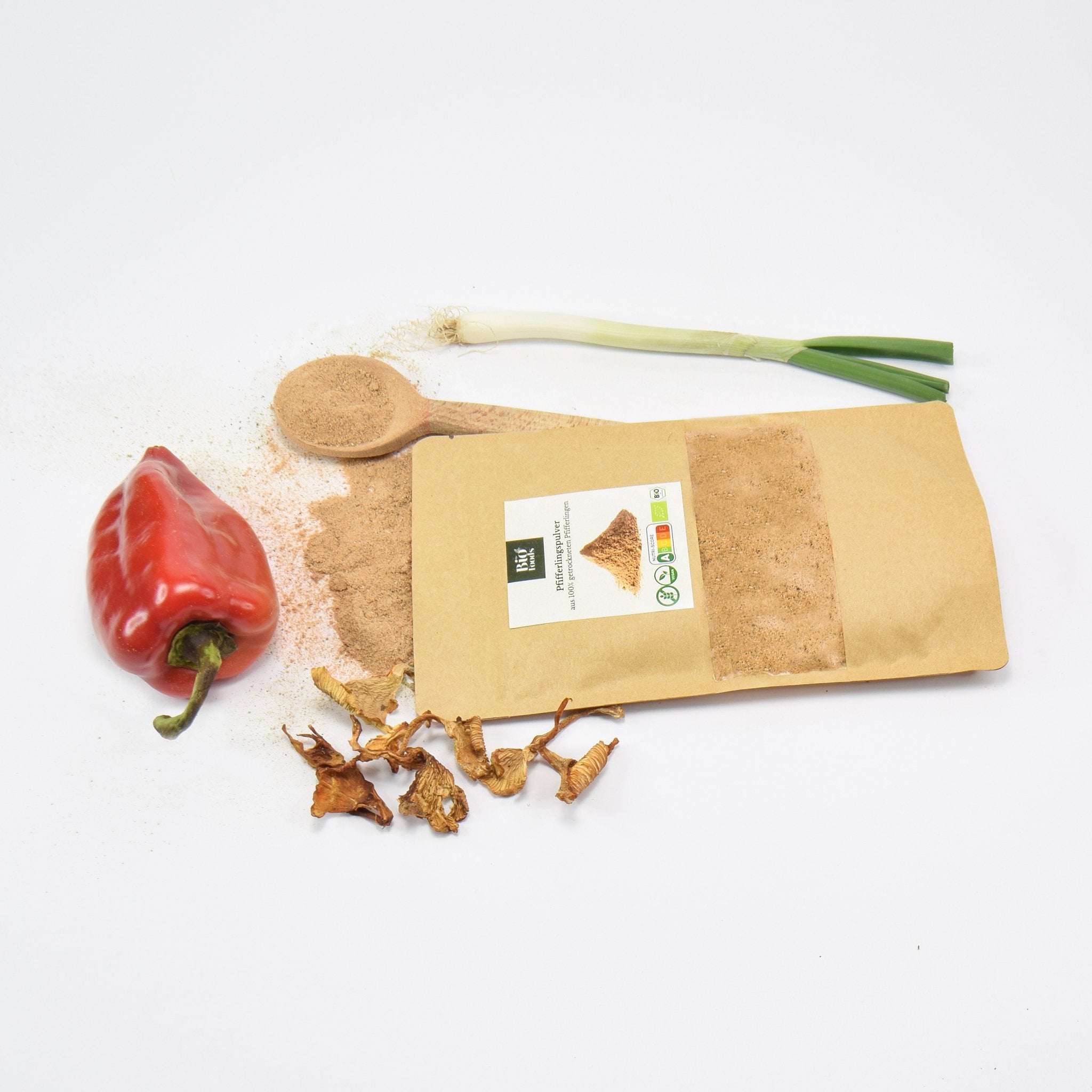
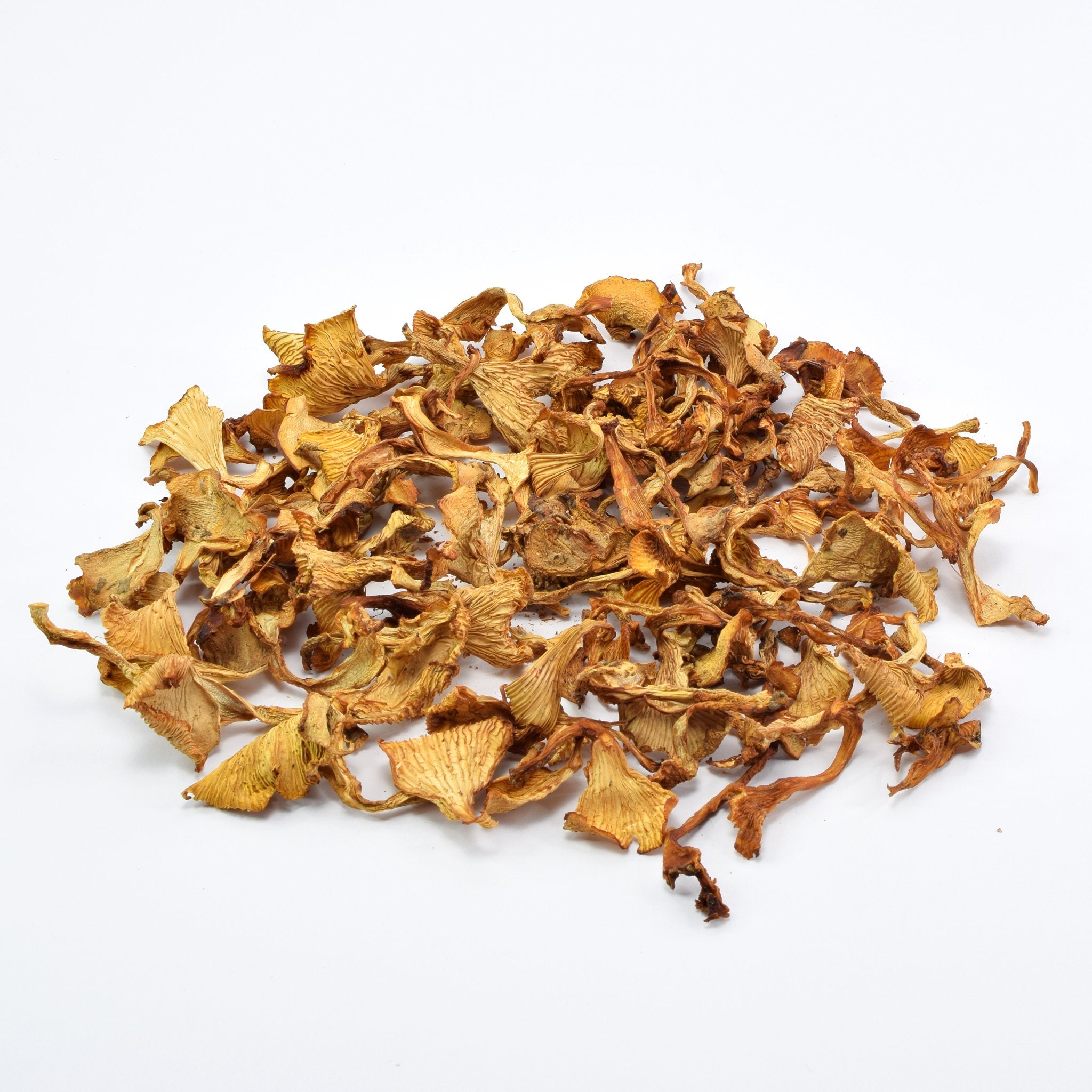
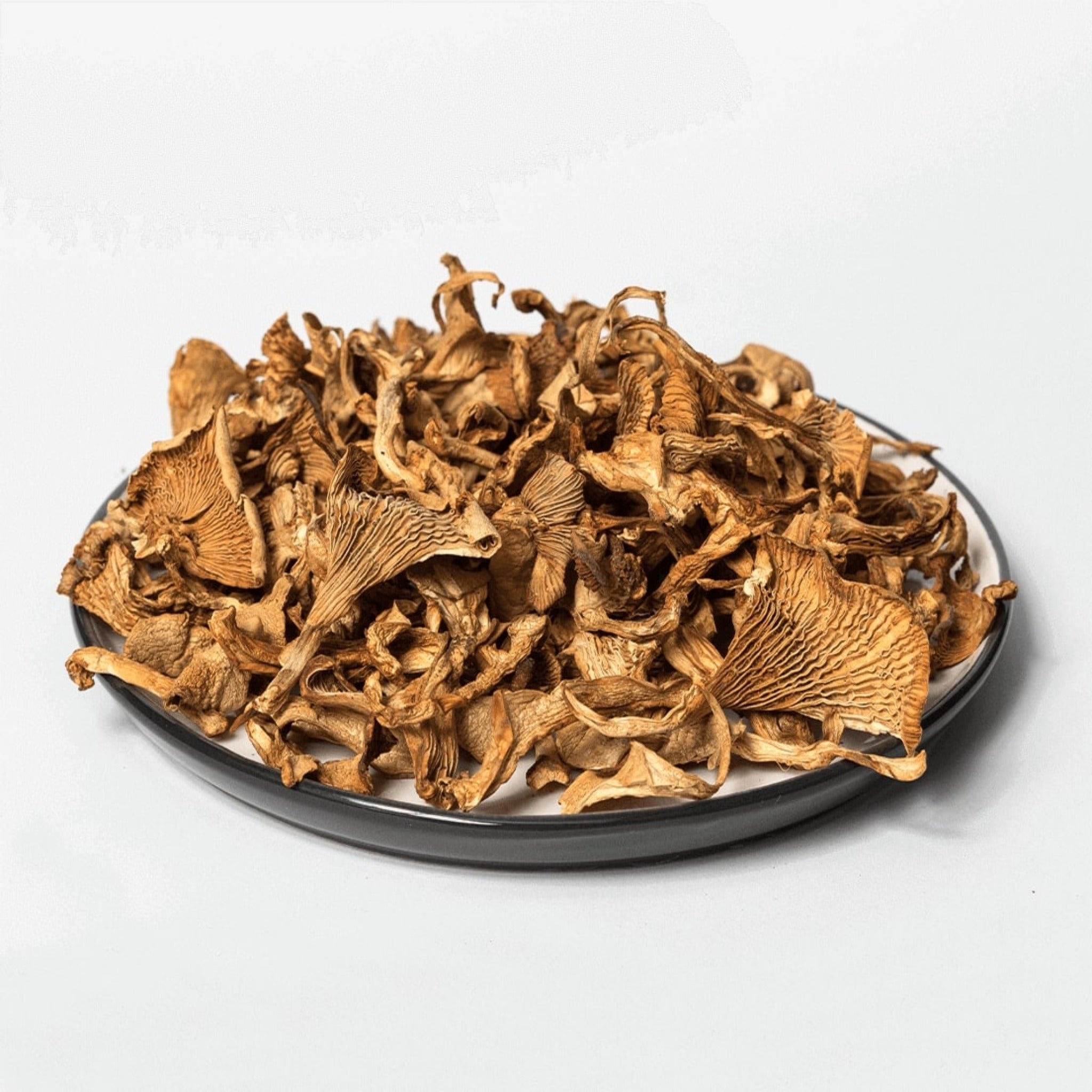
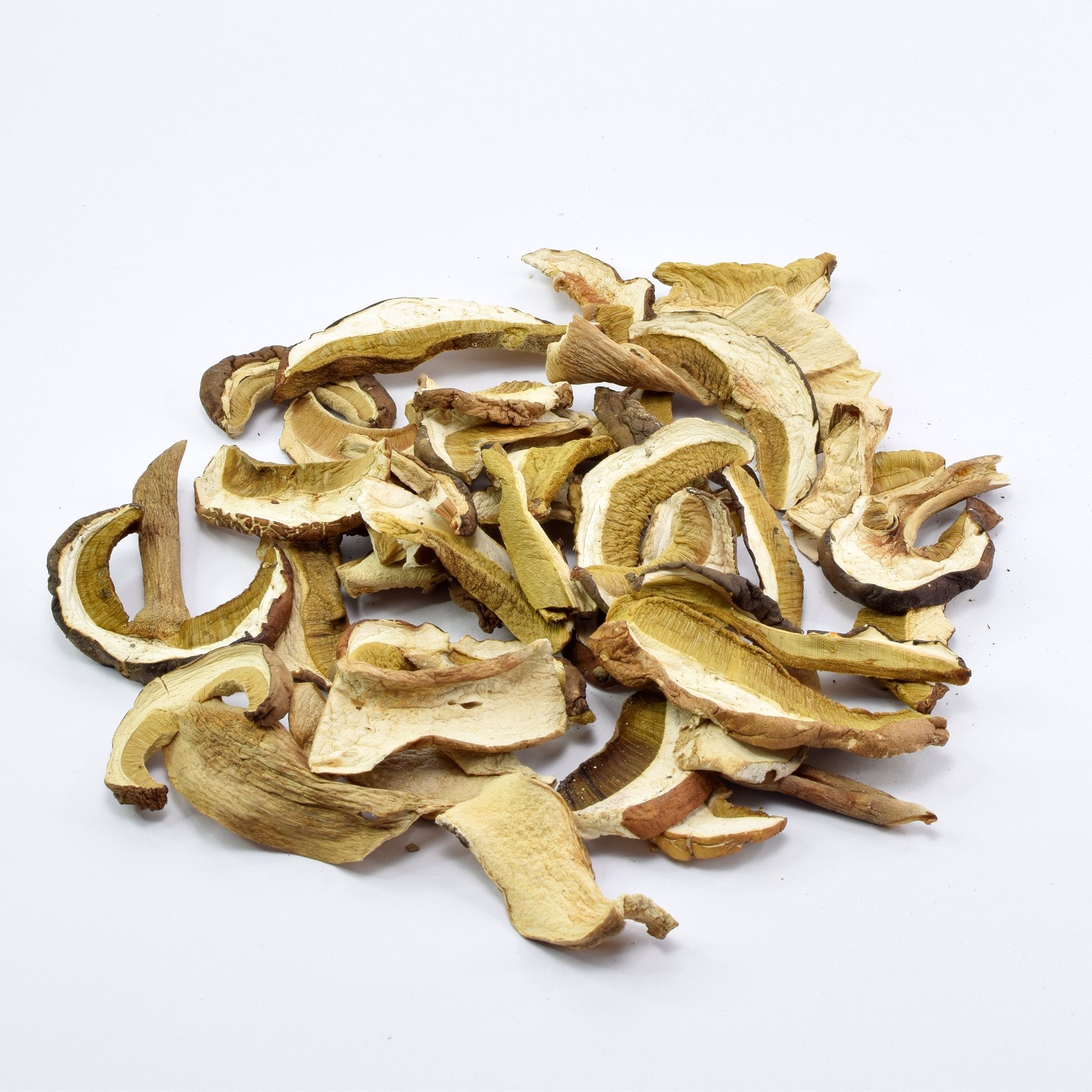
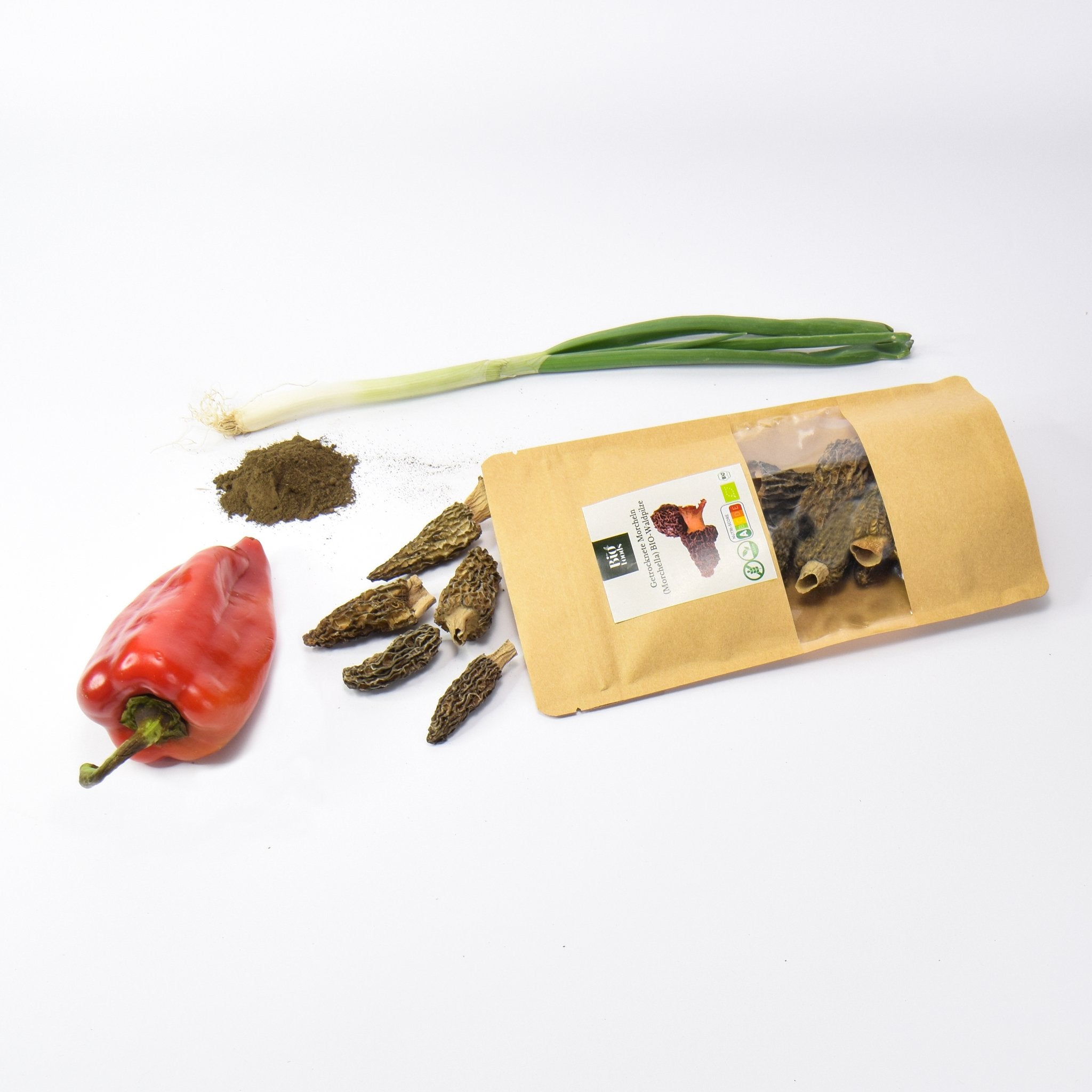
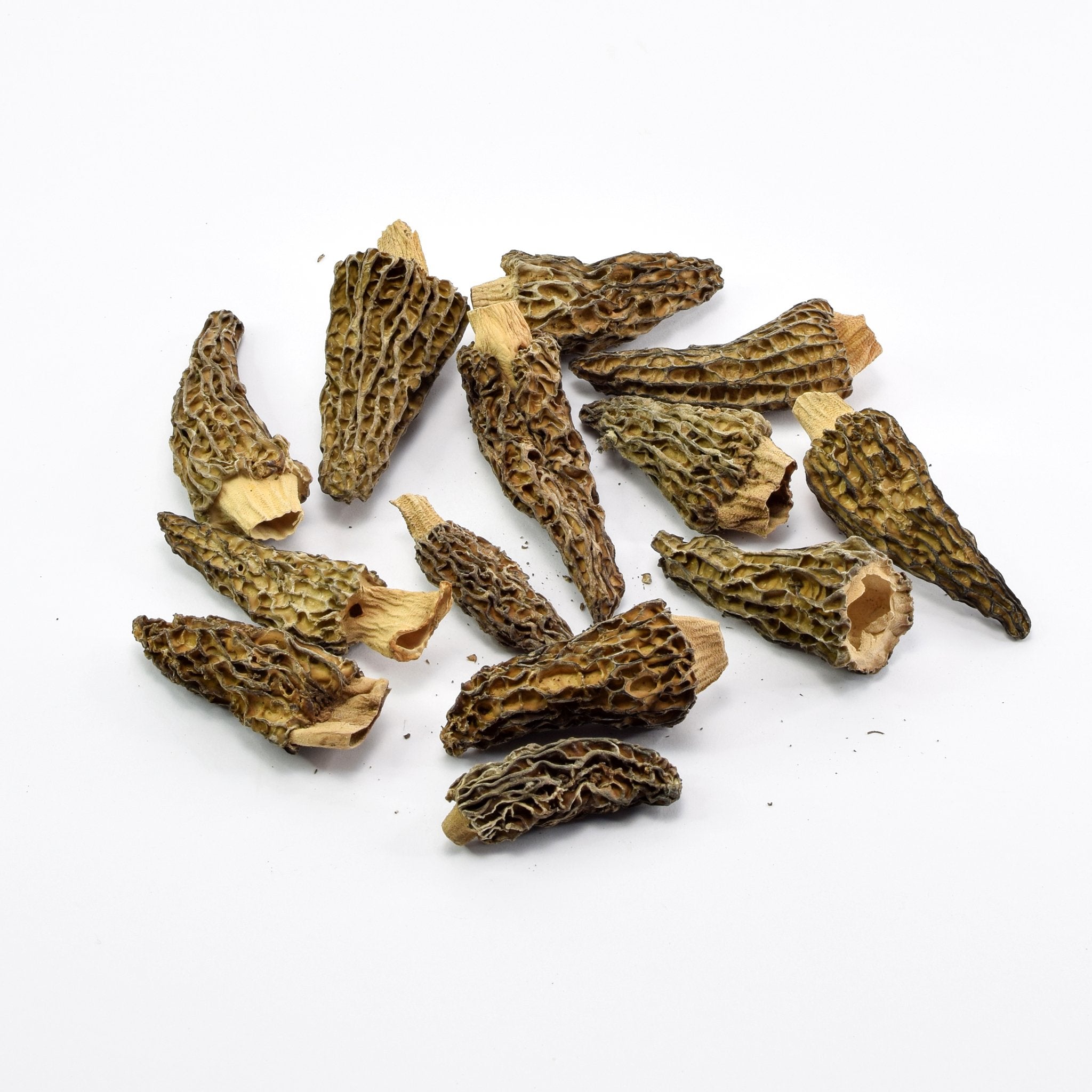
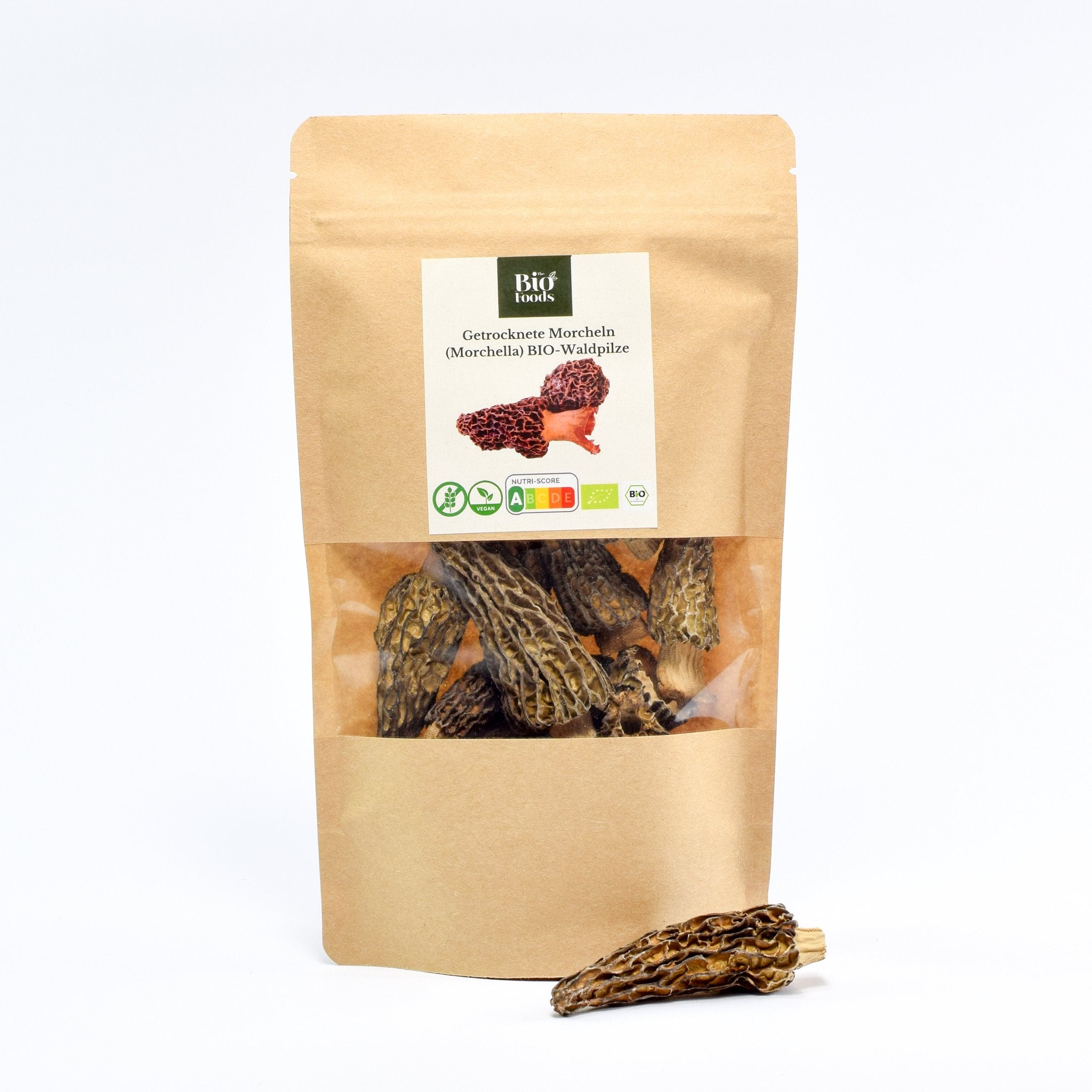
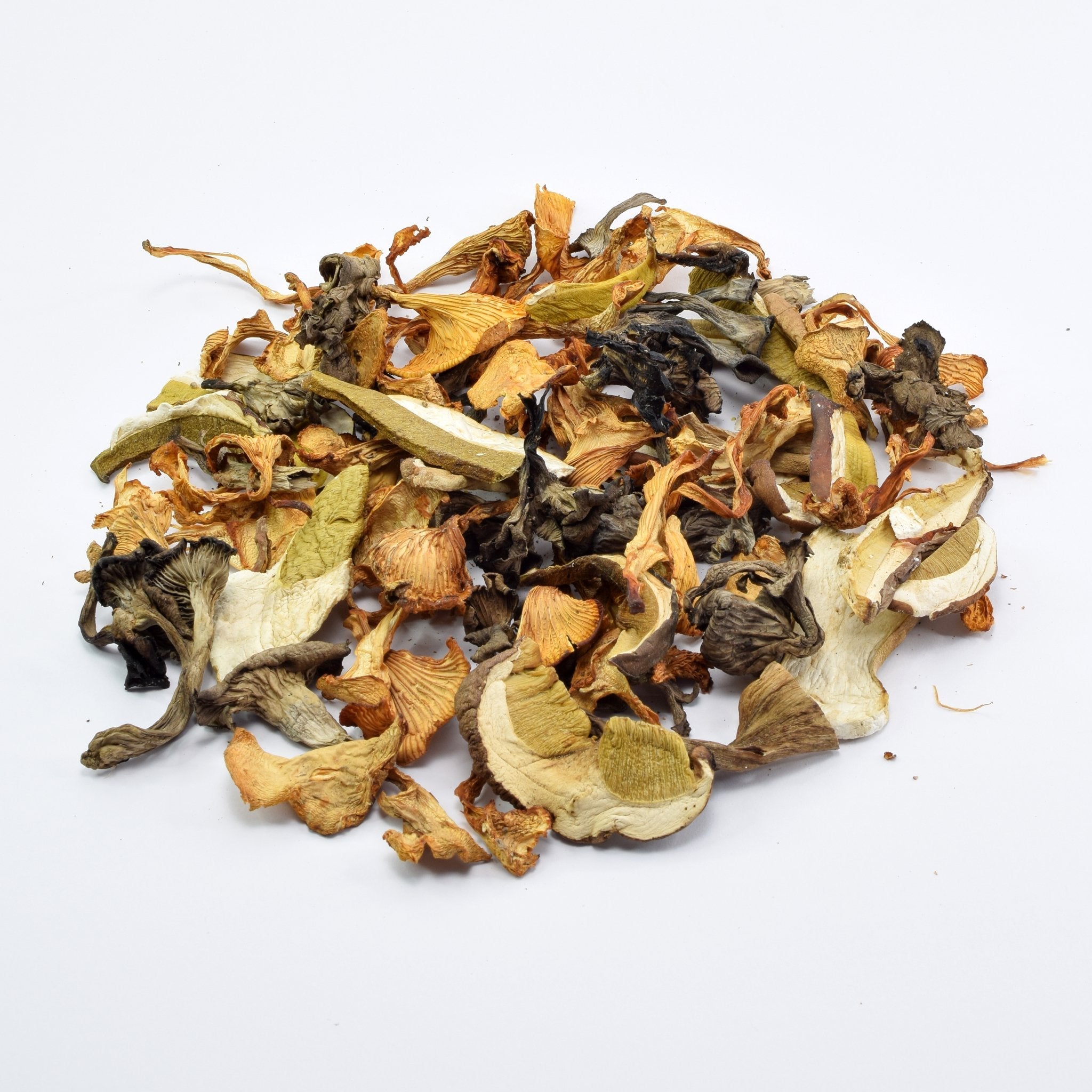
Mushroom varieties like Porcini and Chanterelles simply refuse to be tamed or grown in a lab.
They are mycorrhizal. This essentially means that they have a deeply symbiotic relationship with the roots of specific, living trees in the forest. They trade nutrients with old-growth oaks and pines, absorbing the rich, complex minerals of the untouched earth.
Because they have to survive the elements—wind, rain, and changing temperatures—wild mushrooms develop incredibly deep, robust, and complex flavor profiles.

Why we love them:
- Unmatched Flavor: They pack a massive, earthy umami punch that you just can't replicate on a farm.
- Nutritional Complexity: They absorb a wide spectrum of trace minerals directly from wild, uncultivated forest soil.
The Kitchen Hack:
Use wild mushrooms for culinary depth.
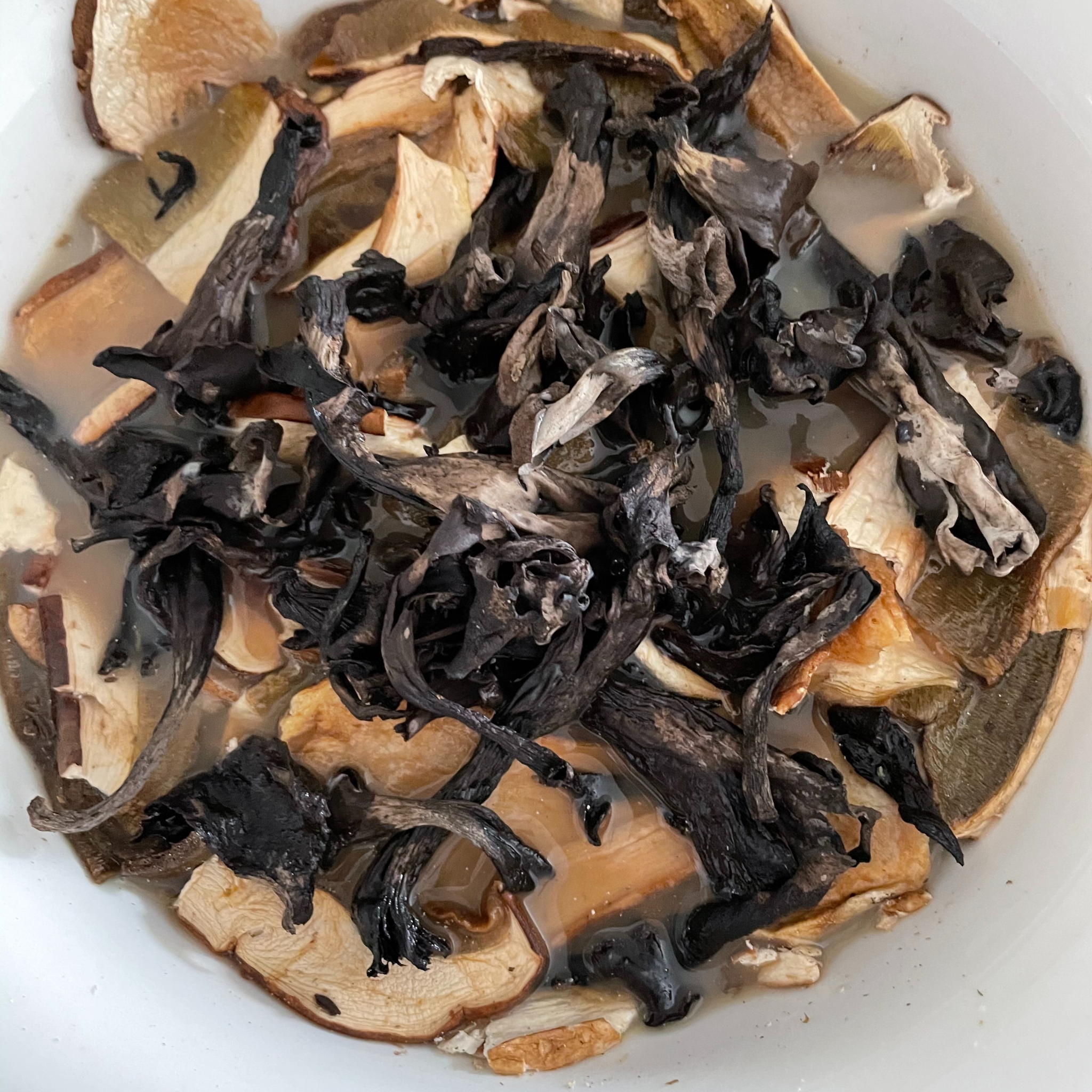
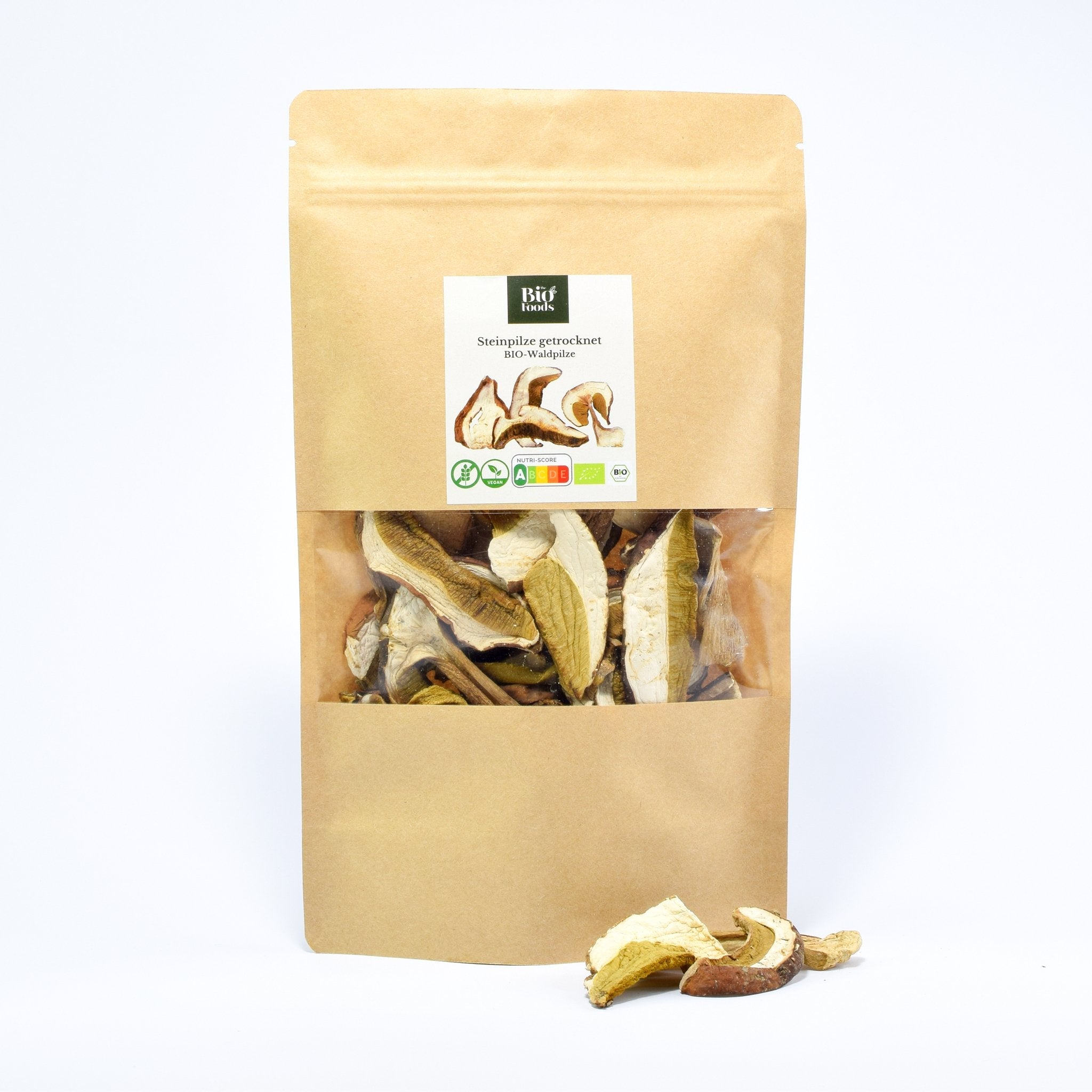
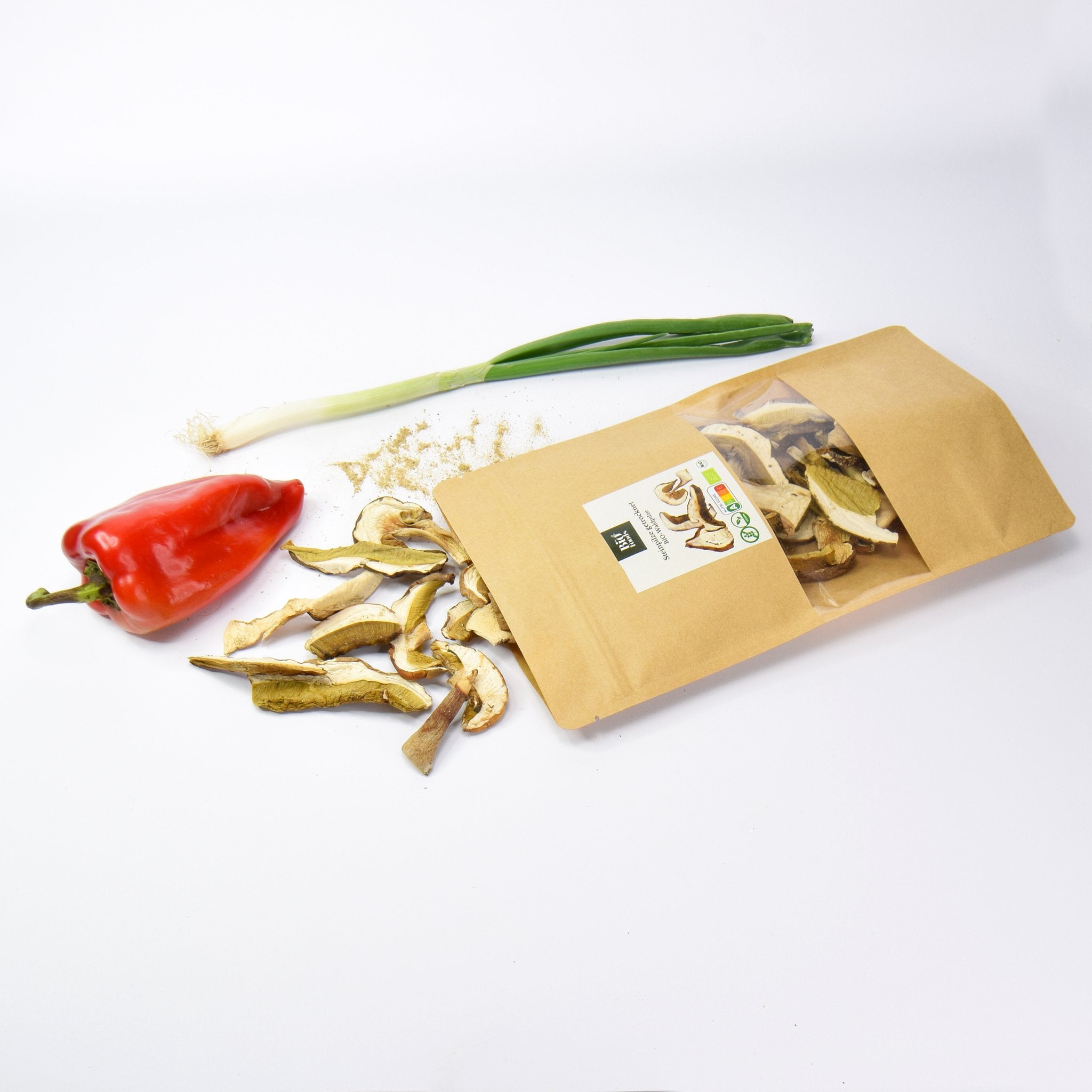
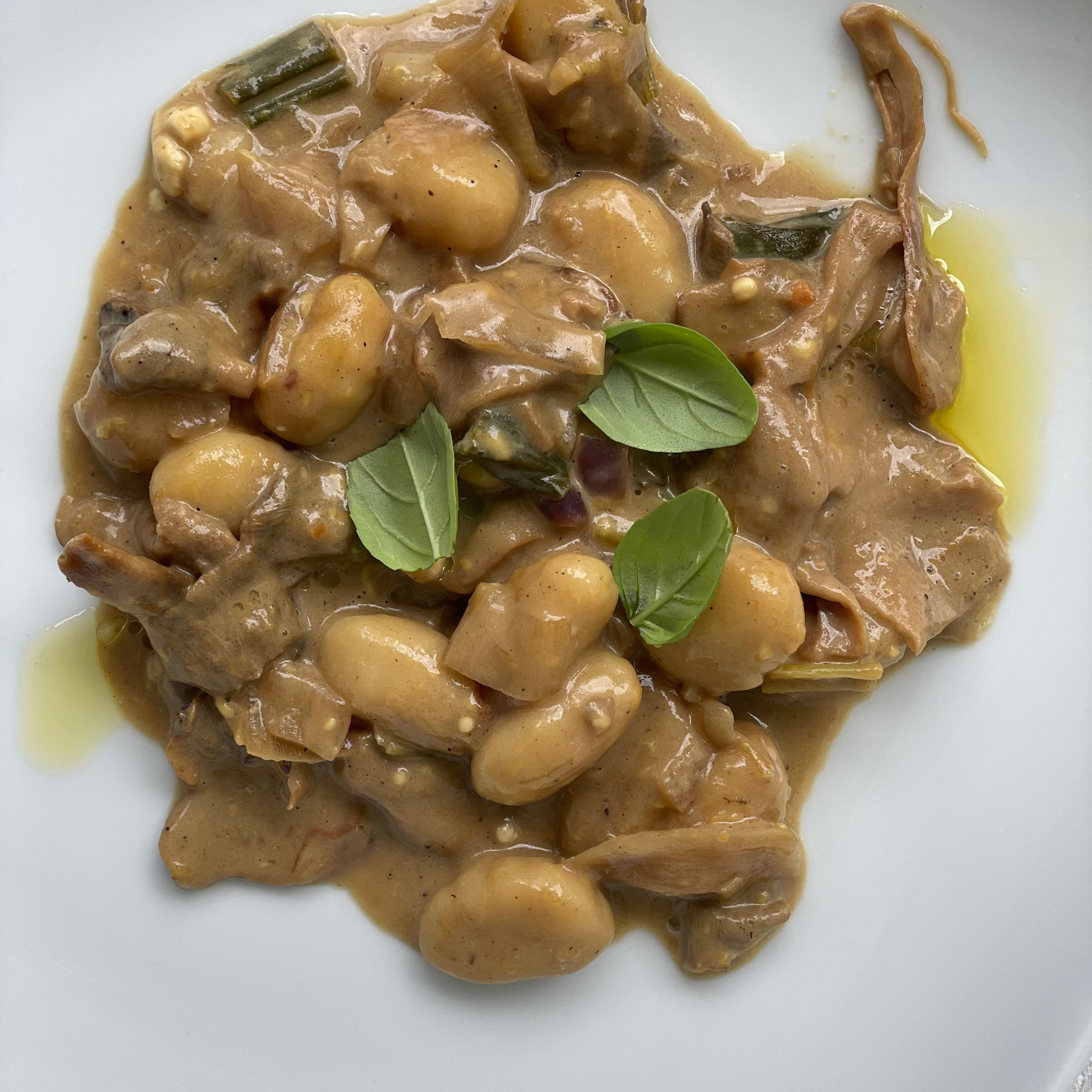
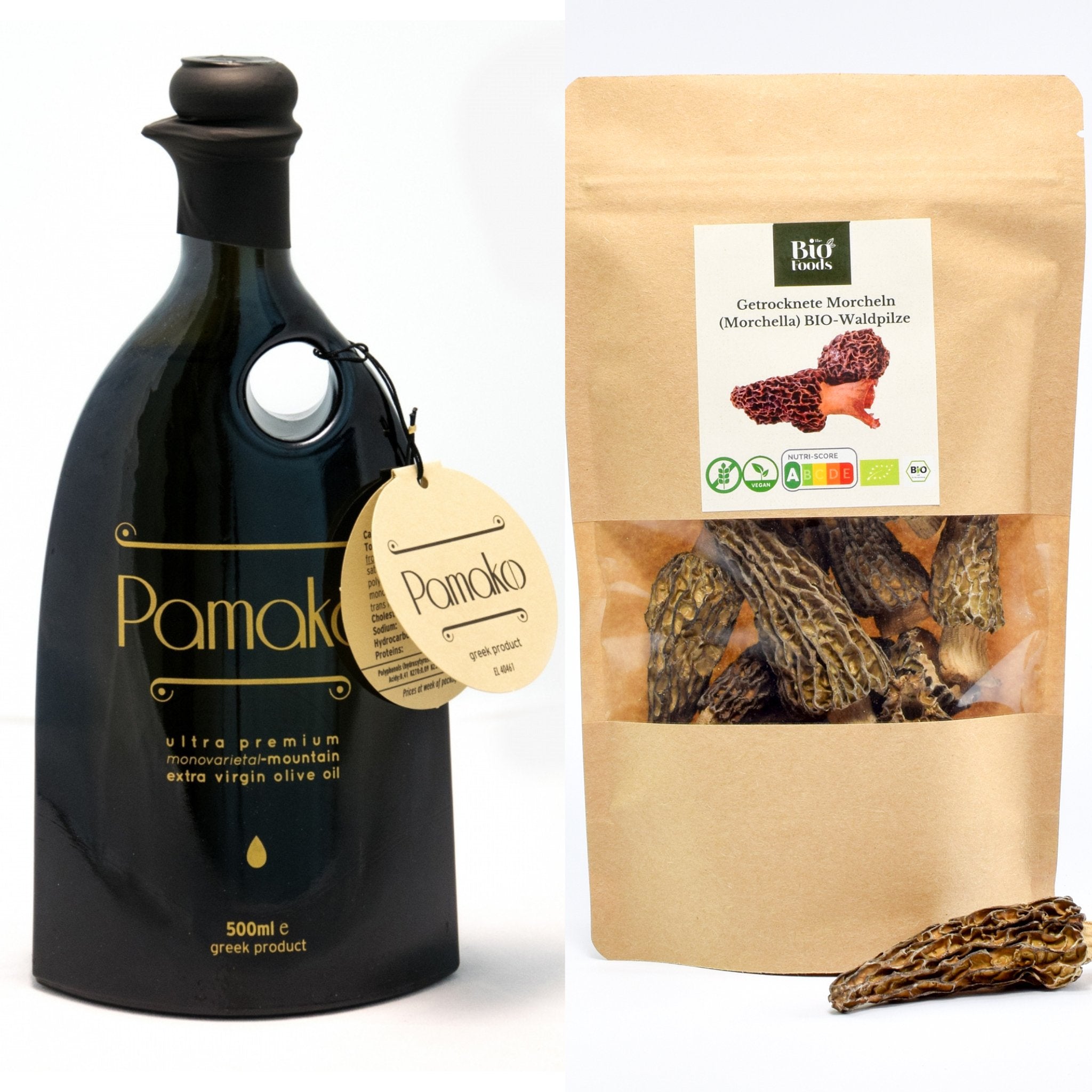
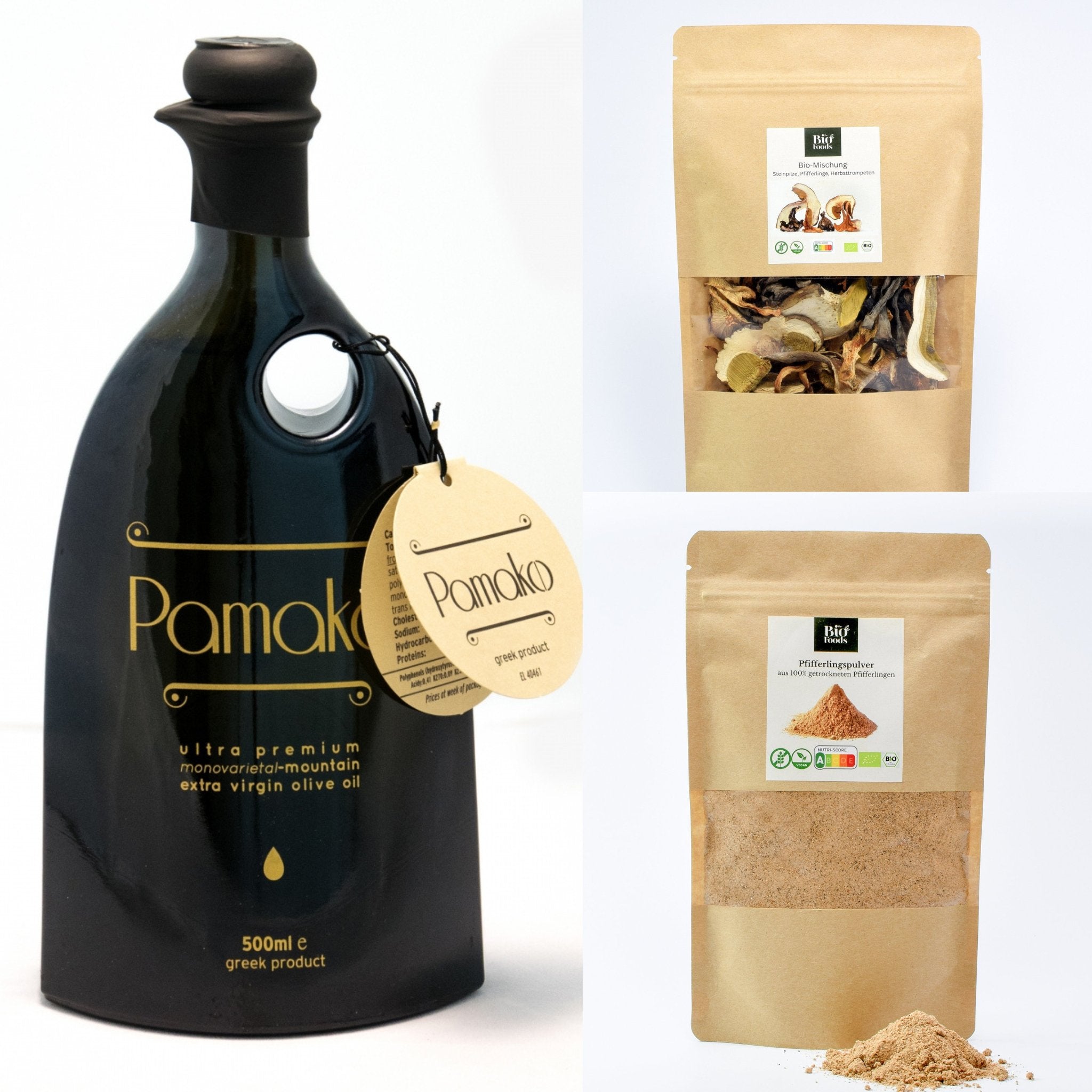
A handful of our Premium Organic Dried Porcini (from our Wild Mushroom Collection) can transform a simple Tuesday night risotto or a weekend pasta sauce into a much more elevated flavour experience.
Pro tip: Never throw away the soaking water! Use it as a rich broth to add incredible depth to your dish.

Add Organic Wild Mushrooms Products to Cart
The Power of Purity: Cultivated Mushrooms
If wild mushrooms are the avant-garde fungi, cultivated mushrooms are the reliable, daily wellness experts.
Many "functional" mushrooms—like Lion’s Mane, Reishi, and Cordyceps—are grown organically in highly controlled environments. Instead of forest soil, they are cultivated on specific substrates like organic wood logs or sterile sawdust blocks.
Why grow them indoors? Because mushrooms are like little sponges; they absorb everything in their environment. In the wild, they can sometimes absorb heavy metals from polluted soil. By cultivating them in a controlled, organic environment, we can guarantee absolute purity and consistency.
Why we love them:
- Total Purity: Controlled environments mean zero risk of heavy metals or environmental toxins.
- Targeted Health Benefits: Cultivation allows experts to harvest the mushrooms at the exact right time to maximize their beneficial compounds (like beta-glucans and adaptogens).
The Kitchen Hack:
Use cultivated mushrooms for your daily functional health.
This is exactly why we use organically cultivated varieties in our Organic Mushroom Coffee. It gives you that daily, reliable boost of clean energy and focus, without the jitters of regular caffeine, and with total peace of mind regarding purity.

Organic Wild Mushrooms Products
The Verdict!
The beautiful truth is that you don’t have to choose. A wholesome, vibrant pantry has room for both!
When you want to gather around the table for a rich, savory, deeply comforting meal, reach for the Wild Mushrooms.
When you want to fuel your morning, find your focus, and nourish your body consistently, brew a cup of Cultivated Mushroom Coffee.